2026 Vision: How AI and Automation Will Reshape Consumer Psychology and Drive Strategic Innovation in Tech
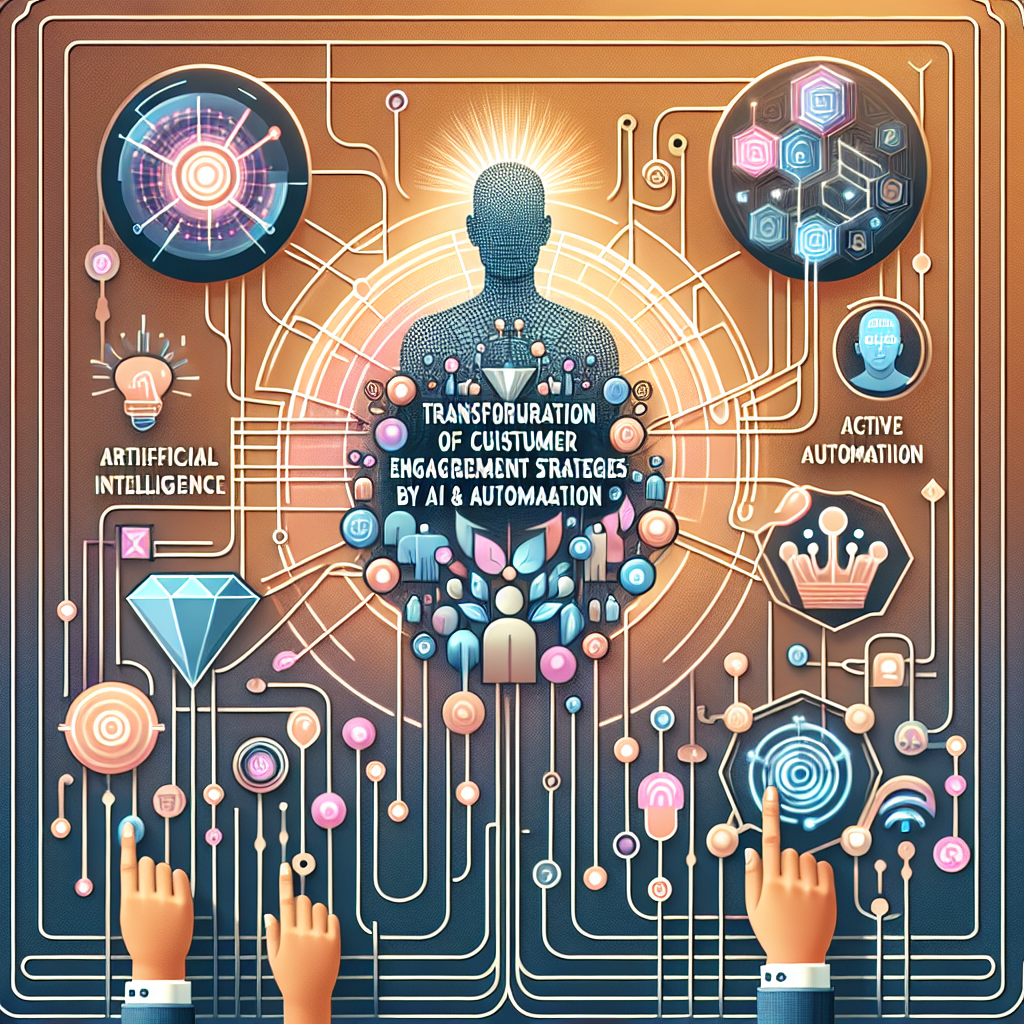
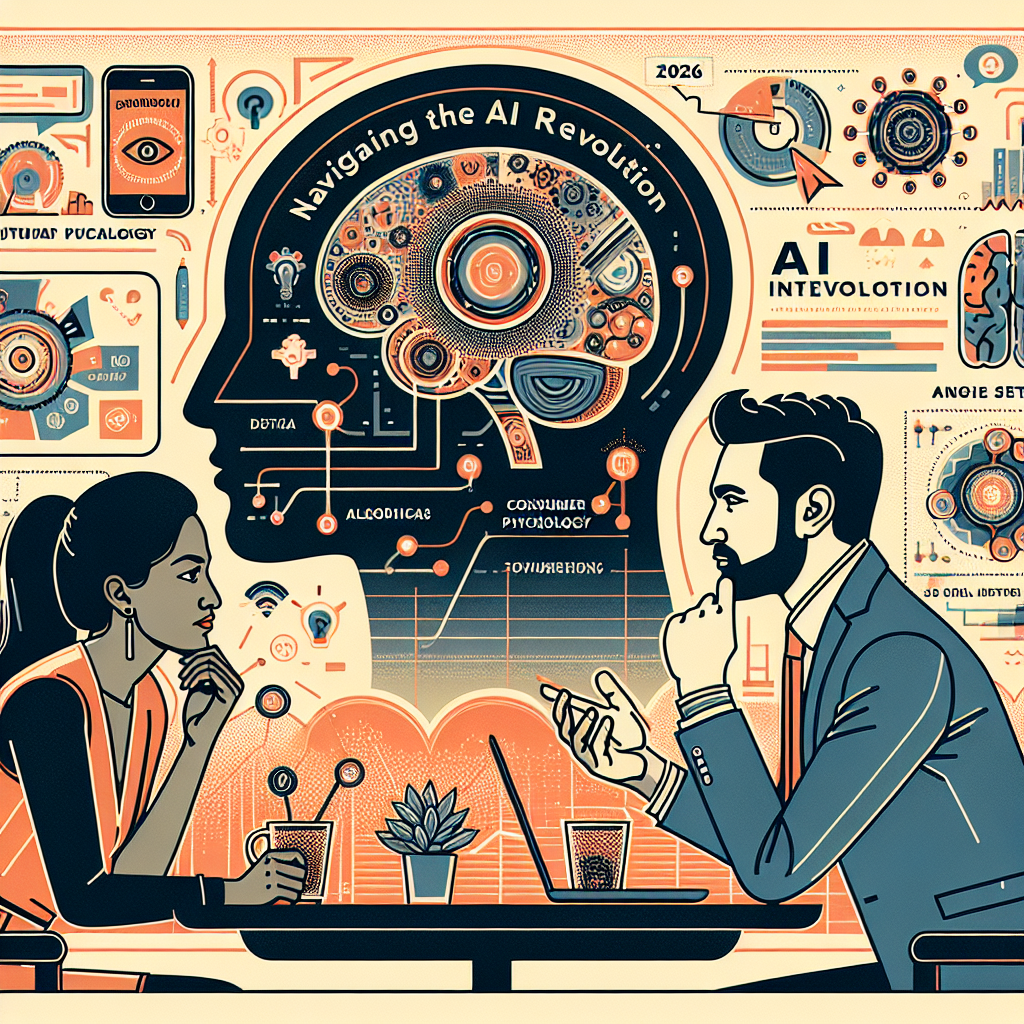
As we approach 2026, the convergence of artificial intelligence (AI) and automation is set to redefine not just the technological landscape but also consumer behavior and psychology. From personalized marketing strategies to automated customer service, these advancements are fundamentally altering how businesses engage with consumers. In this post, we will explore the profound implications of AI and automation on consumer psychology and how these shifts will drive strategic innovation in the tech industry.
The Rise of Personalized Experiences
One of the most significant ways AI and automation are reshaping consumer psychology is through the creation of highly personalized experiences. According to a study by Epsilon, 80% of consumers are more likely to make a purchase when brands offer personalized experiences. This trend is only expected to grow as AI systems become more sophisticated in analyzing consumer data.
Data-Driven Insights
AI tools can analyze vast amounts of data to identify patterns in consumer behavior, preferences, and trends. For instance, companies like Amazon and Netflix utilize AI algorithms to recommend products and content tailored to individual users. This level of personalization not only enhances customer satisfaction but also fosters brand loyalty. In 2026, we can expect to see an even greater emphasis on personalized marketing, with businesses leveraging AI to predict consumer needs before they even arise.
Automation and the Evolution of Customer Interactions
As consumers increasingly demand efficiency and immediacy, automation is becoming a critical element in customer service. Chatbots and virtual assistants, powered by AI, are revolutionizing how brands interact with their customers. According to Salesforce, 69% of consumers prefer chatbots for quick communication with brands. This preference is paving the way for a more streamlined and efficient customer experience.
Enhancing Accessibility and Convenience
Automation enhances accessibility, allowing consumers to engage with brands 24/7. For example, chatbots can provide instant answers to inquiries, while virtual assistants can handle routine tasks such as scheduling appointments or processing orders. By 2026, we will likely see a surge in businesses adopting AI-driven customer service solutions, making it easier for consumers to access the information they need, whenever they need it. This level of convenience will significantly influence consumer psychology, as people increasingly gravitate towards brands that prioritize efficiency.
The Impact of AI on Decision-Making Processes
The decision-making process is another area where AI is making significant inroads. Traditionally, consumers would rely on their own research and experiences when making purchasing decisions. However, as AI technologies become more integrated into everyday life, consumers are turning to AI-driven insights to guide their choices.
Influence of AI on Consumer Trust and Loyalty
As AI systems become more adept at providing accurate recommendations, they will also shape consumer trust. A study from PwC found that 72% of business leaders believe AI will be a key driver in building consumer trust by providing transparency and consistency in service delivery. By 2026, brands that leverage AI responsibly and ethically will likely cultivate a loyal customer base, as consumers will feel more confident in their purchasing decisions.
Strategic Innovation Through AI and Automation
The integration of AI and automation not only influences consumer behavior but also drives strategic innovation within the tech industry. Companies that embrace these advancements are better positioned to develop innovative products and services that meet the evolving needs of consumers.
Creating New Business Models
AI and automation are enabling the emergence of new business models that prioritize flexibility and scalability. For instance, subscription-based services have gained traction, with companies like Spotify and Dollar Shave Club harnessing AI to tailor their offerings. By 2026, we can anticipate a wave of startups and established businesses alike adopting similar models, leveraging AI to refine their value propositions and enhance customer satisfaction.
Conclusion: Embracing the Future of Consumer Engagement
The intersection of AI, automation, and consumer psychology is paving the way for a transformative era in the tech industry. As we approach 2026, businesses must adapt to these changes by embracing personalization, enhancing customer interactions, and leveraging AI-driven insights to inform decision-making processes. By doing so, companies can not only meet consumer expectations but also position themselves as leaders in innovation.
As a takeaway, businesses should consider the following actionable steps:
- Invest in AI technologies to enhance personalization and improve customer experience.
- Utilize data analytics to understand consumer behavior and predict future trends.
- Embrace automation to streamline customer interactions and increase accessibility.
- Foster transparency and ethical practices in AI implementation to build consumer trust.
In conclusion, the future is bright for companies that harness the power of AI and automation. By aligning their strategies with the evolving landscape of consumer psychology, businesses can drive innovation and create lasting connections with their customers.