Beyond Code: How AI and Automation Will Craft the Next Generation of Web Development by 2026
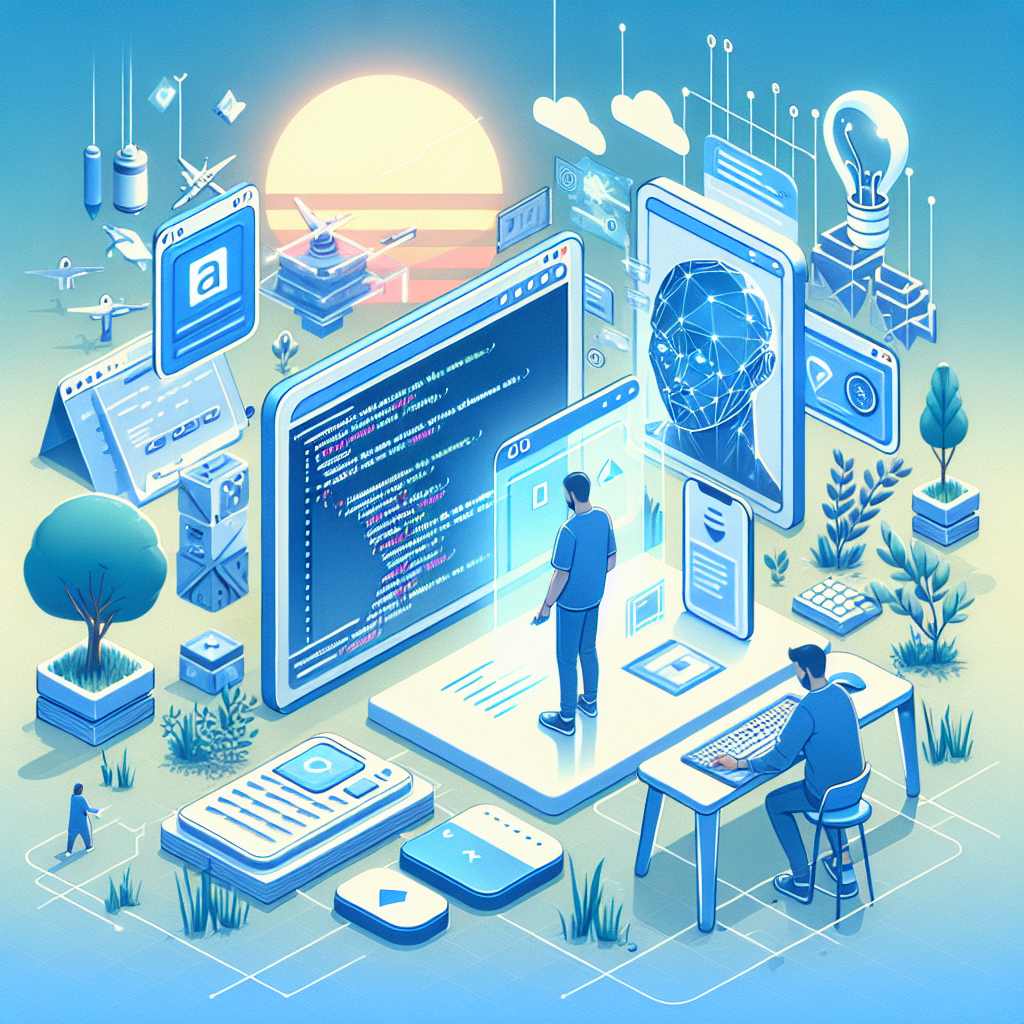
The landscape of web development is evolving at an unprecedented pace, with artificial intelligence (AI) and automation at the helm of this transformation. As we move towards 2026, the integration of these technologies promises not only to enhance the efficiency of developers but also to redefine the very nature of web development itself. In this blog post, we will explore the key trends shaping this evolution, the potential impact on developers and businesses, and what this means for the future of web creation.
The Rise of AI-Powered Development Tools
In recent years, we have witnessed the emergence of AI-powered development tools that assist developers in various aspects of their work. Tools like GitHub Copilot and Tabnine leverage machine learning to suggest code snippets, making the coding process faster and more efficient. By 2026, we can expect these tools to become even more sophisticated, capable of understanding context and predicting developers’ needs with remarkable accuracy.
Smart Code Generation
Imagine a scenario where a developer describes the functionality they need in plain language, and the AI translates this into a fully functional code. This is not far from reality. AI-driven platforms are already experimenting with natural language processing to bridge the gap between human intent and machine execution. According to a report by McKinsey, companies that adopt AI tools could see a productivity boost of up to 40%. This shift is likely to enable developers to focus on higher-level design and strategic thinking rather than getting bogged down in syntax.
Debugging and Optimization
Debugging remains one of the most time-consuming tasks in web development. However, AI can streamline this process by identifying bugs and suggesting fixes almost instantaneously. Tools like Sentry and Rollbar are already integrating AI to enhance error tracking and resolution. By 2026, we may even see automated systems that can learn from previous debugging sessions, continuously improving their suggestions and reducing the time spent on troubleshooting.
The Impact of Automation on Development Workflows
Automation is not just about writing code; it's about transforming entire development workflows. As automation tools become more sophisticated, they will take over repetitive tasks, allowing developers to concentrate on creative and strategic elements of their projects. This shift will not only improve productivity but also enhance job satisfaction among developers.
Continuous Integration and Deployment (CI/CD)
CI/CD practices have already revolutionized how web developers deploy applications. By automating the process of integration and delivery, teams can push updates more frequently and with fewer errors. As we approach 2026, we can expect AI to play a pivotal role in optimizing CI/CD pipelines. For instance, AI can analyze historical deployment data to predict potential issues and recommend optimal deployment schedules, thereby minimizing downtime and enhancing user experience.
Quality Assurance Automation
Quality assurance (QA) is another area where automation will shine. Traditionally, QA has required extensive manual testing, which can be a bottleneck in development cycles. AI-driven testing tools can simulate user interactions, conduct regression tests, and even learn from previous tests to improve their efficiency over time. As a result, we will likely see a decrease in the time required for QA processes, leading to faster rollouts of web applications.
The Human Element: Collaboration and Creativity
While AI and automation will significantly shift the technical landscape of web development, the human element remains irreplaceable. Developers will need to adapt to new roles that emphasize collaboration, creativity, and critical thinking. The future will favor professionals who can blend technical skills with an understanding of user experience and business strategy.
Skill Development and Adaptability
As AI takes over more coding tasks, web developers will need to invest in continuous learning to stay relevant. Skills in AI and machine learning, user experience design, and project management will become increasingly important. According to a survey by LinkedIn, 94% of employees say they would stay at a company longer if it invested in their career development. Companies that prioritize upskilling will not only retain talent but also foster innovation.
Enhancing User Experience
Ultimately, the goal of web development is to create engaging and effective user experiences. As AI and automation handle more technical aspects, developers will have more time to focus on understanding user needs and crafting personalized experiences. By 2026, we can expect a significant shift towards user-centered design, where developers work alongside AI to analyze user behavior and trends to make data-driven design decisions.
Conclusion: Embracing the Change
The next generation of web development, powered by AI and automation, holds immense potential to reshape the industry. Developers who embrace these changes will find themselves at the forefront of innovation, able to deliver high-quality web experiences faster and more efficiently than ever before. To prepare for this future:
- Invest in Learning: Stay updated with the latest AI tools and automation technologies.
- Focus on Creativity: Shift your mindset from coding to crafting exceptional user experiences.
- Collaborate: Work with AI as a partner in your development process, leveraging its strengths to enhance your work.
By embracing AI and automation, developers can unlock new possibilities and drive the next wave of web innovation. The future is not just about writing code—it's about creating impactful digital experiences that resonate with users worldwide.