Beyond the Office: How AI and Automation Will Reshape Remote Work Strategies in 2026
The pandemic-induced shift towards remote work has fundamentally altered the traditional office landscape. As we look ahead to 2026, it's clear that advancements in artificial intelligence (AI) and automation will not only continue to influence how we work but will also redefine our strategies for remote collaboration and productivity. With an increasing number of organizations adopting hybrid models, understanding the role of technology in these evolving dynamics is essential for leaders and employees alike.
The Current Landscape of Remote Work
According to a recent study by Gartner, 47% of organizations have adopted a hybrid work model, blending remote and in-office work. This trend is expected to grow, and by 2026, we anticipate that a majority of companies will have fully integrated remote work strategies into their operational frameworks. But what does this mean for the future?
As remote work becomes the norm, companies are turning to AI and automation to enhance productivity, streamline communication, and foster collaboration across dispersed teams. From AI-driven project management tools to automated scheduling systems, the future of remote work will rely heavily on these technologies to maintain efficiency and effectiveness.
AI-Powered Collaboration Tools
Enhancing Communication and Collaboration
In 2026, we can expect AI-powered collaboration tools to become more sophisticated, addressing common challenges associated with remote work. For example, tools like Slack and Microsoft Teams are already integrating AI to help users manage their workloads and prioritize tasks. By 2026, these platforms will likely feature advanced natural language processing (NLP) capabilities, allowing for seamless communication among team members regardless of language barriers.
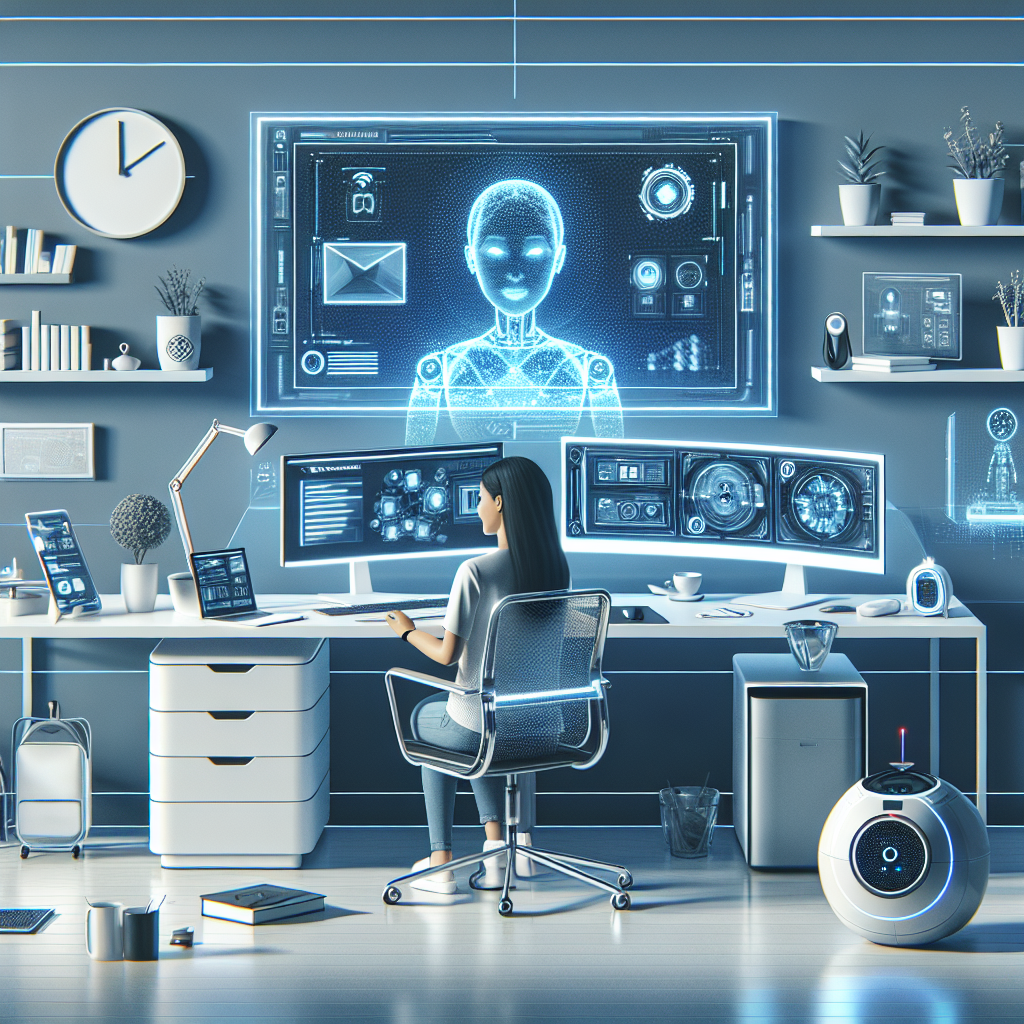
Imagine a virtual assistant that not only schedules meetings but also summarizes discussions and suggests action items based on the conversation. Such capabilities will drastically reduce the time spent on administrative tasks, enabling teams to focus on strategic decision-making and creative problem-solving.
Personalization of Workflows
AI will also enable greater personalization of workflows. By analyzing individual work patterns and preferences, AI algorithms can recommend optimal working hours, suggest breaks, and even automate repetitive tasks. A study by McKinsey found that organizations that leverage AI for personalization can increase productivity by more than 30%. This level of customization will empower remote workers to optimize their schedules and work environments, ultimately leading to higher job satisfaction and performance.
Automation in Project Management
Streamlining Processes
Automation is set to revolutionize project management in remote work environments. Tools like Asana and Trello are already utilizing automation features to help teams track progress and manage deadlines. By 2026, we can expect these tools to be even more advanced, offering automated status updates and predictive analytics that can forecast project outcomes based on historical data.
For instance, AI-driven project management tools could analyze past projects to identify potential bottlenecks and suggest proactive measures. This not only enhances project outcomes but also reduces stress for remote teams by providing clear visibility and accountability throughout the project lifecycle.
AI-Enhanced Decision Making
Moreover, AI can facilitate better decision-making processes by providing insights based on vast amounts of data. In 2026, remote teams will likely rely on AI to analyze market trends, customer feedback, and team performance metrics. This data-driven approach will empower organizations to make informed decisions swiftly, adapting to changes in the market landscape without the lag typically associated with traditional decision-making processes.
Redefining Work-Life Balance
Flexible Work Arrangements
One of the most significant benefits of remote work is the potential for improved work-life balance. As AI and automation take on more routine tasks, employees will have more time to engage in meaningful work and personal pursuits. This shift will be crucial in combating burnout, a significant concern for remote workers.
In 2026, we anticipate a rise in flexible work arrangements that allow employees to choose when and where they work, supported by AI tools that help manage workloads efficiently. Companies that prioritize employee well-being will not only attract top talent but will also see increased productivity and loyalty from their workforce.
Fostering a Culture of Trust
As remote work becomes more prevalent, fostering a culture of trust will be essential. AI can play a role here by providing transparent performance metrics and feedback mechanisms that focus on results rather than hours worked. This shift in perspective will encourage employees to take ownership of their tasks and outcomes, ultimately leading to a more engaged and motivated workforce.
Conclusion: Embracing the Future of Remote Work
As we approach 2026, the integration of AI and automation into remote work strategies is not just a trend; it is a necessity. Organizations that embrace these technologies will be better equipped to navigate the complexities of remote collaboration, enhance productivity, and foster a positive work culture.
To successfully adapt to these changes, businesses should:
- Invest in AI-driven tools that enhance communication and collaboration.
- Leverage automation to streamline workflows and reduce administrative burdens.
- Prioritize employee well-being by offering flexible work arrangements.
- Foster a culture of trust and accountability through transparent performance metrics.
By proactively embracing these strategies, organizations can create a thriving remote work environment that not only meets the demands of the future but also empowers employees to excel in their roles. The future of work is bright, promising a more connected, efficient, and fulfilling experience for all.