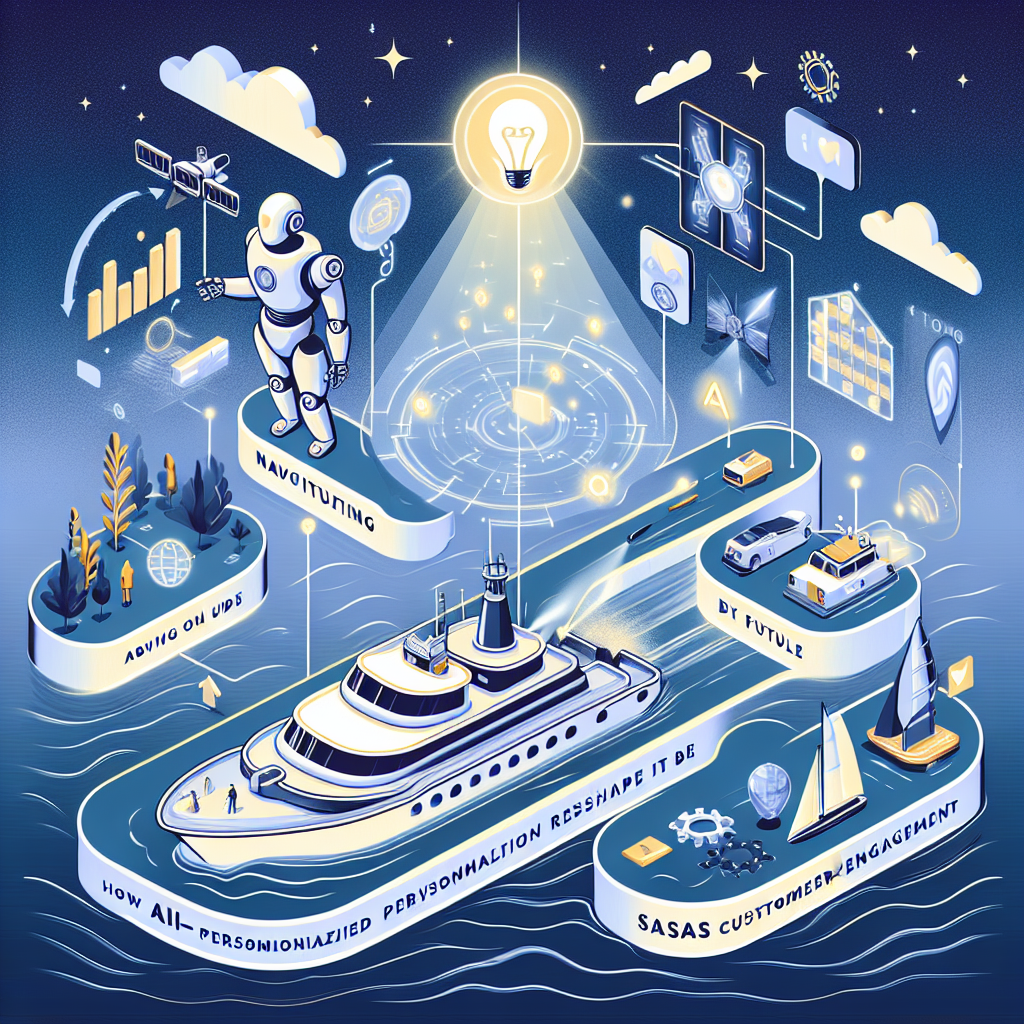
Navigating the Future: How AI-Driven Personalization Will Reshape SaaS Customer Engagement by 2026
The landscape of Software as a Service (SaaS) is evolving at a breakneck pace, and the key to thriving in this dynamic environment lies in delivering exceptional customer engagement. A crucial player in this transformation is artificial intelligence (AI), which is set to revolutionize how businesses interact with their customers. By 2026, AI-driven personalization will not just be a luxury; it will be a necessity for SaaS companies aiming to maintain competitive advantage and foster customer loyalty. In this blog post, we’ll explore the current trends, challenges, and strategies for leveraging AI in customer engagement.
The Importance of Personalization in SaaS
As customers become increasingly discerning, they expect tailored experiences that resonate with their unique needs and preferences. According to a study by McKinsey, 71% of consumers expect companies to deliver personalized interactions. In the context of SaaS, this means providing a user experience that adapts to individual behaviors, preferences, and usage patterns.
Understanding Customer Behavior
To truly personalize customer engagement, SaaS providers must first understand their users. This involves leveraging data analytics to track customer interactions and identify patterns. For example, tools like Mixpanel or Amplitude enable businesses to gather real-time data on user activity, helping them to anticipate needs and offer relevant solutions. By 2026, we can expect AI to not only analyze this data but also predict future behavior, enabling proactive engagement strategies.
AI Technologies Driving Personalization
The integration of AI technologies within SaaS solutions is already underway. Machine learning algorithms, natural language processing (NLP), and predictive analytics are all contributing to a more personalized customer experience.
Machine Learning and Predictive Analytics
Machine learning algorithms can analyze vast amounts of data to identify trends and preferences, allowing SaaS companies to tailor their offerings effectively. For example, Salesforce’s Einstein AI uses machine learning to provide personalized recommendations to sales teams based on historical data. By 2026, we can anticipate that such applications will be more sophisticated and widely adopted, enabling even small SaaS companies to deliver personalized experiences.
Natural Language Processing (NLP)
NLP is another crucial aspect of AI-driven personalization. Chatbots powered by NLP can provide instant support and tailored responses, enhancing user satisfaction. Companies like Drift are already utilizing AI chatbots to engage customers in real-time, answering queries and guiding them through their user journey. As NLP technology advances, these interactions will become even more intuitive and effective, fulfilling customer needs without the frustration of long wait times.
Challenges in Implementing AI-Driven Personalization
While the potential of AI-driven personalization in SaaS is promising, challenges remain. Data privacy, integration complexities, and ensuring quality data are significant hurdles that companies must navigate.
Data Privacy Concerns
With the increasing reliance on data comes heightened scrutiny over data privacy. Regulations like GDPR and CCPA require businesses to be transparent about data usage. SaaS companies must prioritize compliance and ethical data usage to build trust with customers. By adopting privacy-first strategies, such as anonymizing data and obtaining explicit consent, SaaS providers can foster a secure environment for personalized engagement.
Integration Complexities
Integrating AI tools with existing systems can be a daunting task. Many SaaS companies rely on legacy systems that may not easily support new AI technologies. Therefore, businesses should invest in scalable solutions and ensure proper training for their teams. Collaborating with experienced AI vendors can also ease this transition and help in leveraging the full potential of AI-driven personalization.
Actionable Strategies for SaaS Companies
As we move toward 2026, SaaS companies can adopt several actionable strategies to harness AI-driven personalization effectively.
Invest in Data Infrastructure
Building a robust data infrastructure is critical. By implementing comprehensive data management systems, companies can ensure they have clean, organized data to fuel their AI algorithms. This investment pays off in the long run, as better data quality leads to improved insights and customer engagement.
Embrace Continuous Learning
AI technologies are constantly evolving. SaaS companies should foster a culture of continuous learning and adaptation. This includes staying updated on the latest AI advancements, attending relevant workshops, and investing in employee training. A well-informed team can leverage AI tools more effectively, leading to enhanced customer interactions.
Conclusion: The Future is Personalized
As we look toward 2026, AI-driven personalization will undoubtedly reshape the SaaS landscape. Companies that prioritize understanding their customers, invest in AI technologies, and navigate challenges proactively will emerge as leaders in customer engagement. By embracing these strategies today, SaaS providers can build lasting relationships with their clients and ensure sustainable growth in an increasingly competitive market.
In summary, the future of SaaS customer engagement lies in harnessing the power of AI-driven personalization. By focusing on data analytics, investing in the right technologies, and addressing challenges head-on, businesses can create unique, tailored experiences that resonate with their customers. The journey may be complex, but the rewards—enhanced customer satisfaction, loyalty, and growth—are well worth the effort.