Navigating the Future: Top 5 Emerging Trends Shaping the SaaS Landscape in 2024
The Software as a Service (SaaS) industry has been on a meteoric rise, transforming how businesses operate and interact with technology. As we step into 2024, a new wave of innovations and trends is emerging, promising to reshape the SaaS landscape further. In this blog post, we will explore the top five trends that are not only gaining traction but are also crucial for businesses looking to stay competitive in the evolving digital ecosystem.
1. AI-Powered Solutions: The New Norm
Artificial Intelligence (AI) is no longer a buzzword; it has become a cornerstone of SaaS offerings. In 2024, we can expect to see AI driving personalized user experiences, automating customer service, and providing predictive analytics. According to a report by Gartner, by 2025, 75% of all enterprise applications will incorporate AI capabilities.
Personalization at Scale
SaaS companies are increasingly leveraging AI to offer personalized solutions tailored to individual user needs. For instance, platforms like HubSpot and Salesforce use AI algorithms to analyze user behavior and suggest features or content that enhance user engagement.
Automation of Customer Support
AI chatbots and virtual assistants are becoming indispensable in customer support. They can handle routine inquiries, freeing human agents to tackle more complex issues. Companies like Zendesk are investing heavily in AI-driven customer service tools, which can drastically reduce response times and improve customer satisfaction.
2. The Rise of No-Code and Low-Code Platforms
As businesses strive for agility and efficiency, no-code and low-code platforms are gaining momentum. These tools enable users to create applications without extensive programming knowledge, democratizing software development.
Empowering Non-Technical Users
For instance, companies like Airtable and Bubble are empowering non-technical users to build applications that suit their specific needs. This trend reduces the dependency on IT departments and speeds up the development process, allowing businesses to respond quickly to market demands.
Integration and Interoperability
The growth of no-code solutions also emphasizes the need for seamless integration with existing SaaS applications. Businesses are looking for platforms that can easily connect with tools they already use, fostering a more cohesive digital ecosystem.
3. Enhanced Security Measures
With the increasing reliance on SaaS applications comes the heightened risk of cyber threats. As we venture into 2024, enhanced security measures will be paramount. According to a recent Cybersecurity Ventures report, cybercrime is expected to cost the world $10.5 trillion annually by 2025, underscoring the need for robust security practices.
Zero Trust Architecture
Many SaaS providers are adopting a Zero Trust security model, which requires strict identity verification for every person and device attempting to access resources. This approach minimizes the risk of data breaches and ensures that sensitive information remains protected.
Compliance and Data Privacy
Regulations like GDPR and CCPA are pushing SaaS companies to prioritize compliance. Businesses must ensure that their SaaS solutions adhere to these regulations, which will likely drive the demand for security features in SaaS offerings.
4. Focus on Customer Experience (CX)
In a saturated market, customer experience has emerged as a critical differentiator. SaaS companies are increasingly recognizing that superior CX can lead to higher customer retention and loyalty. In 2024, we can expect to see a significant focus on enhancing the user journey.
User-Centric Design
Designing intuitive and user-friendly interfaces will be a priority for SaaS providers. Tools that provide an exceptional user experience, like Figma and Notion, are setting the standard, demonstrating that usability can significantly impact customer satisfaction.
Feedback Loops
Moreover, SaaS companies are implementing continuous feedback loops to gather insights from users. This feedback is crucial for iterating on features and ensuring that the product evolves alongside user needs. Companies that actively engage with their customers and adapt their offerings accordingly will lead the pack.
5. Subscription Models Evolving
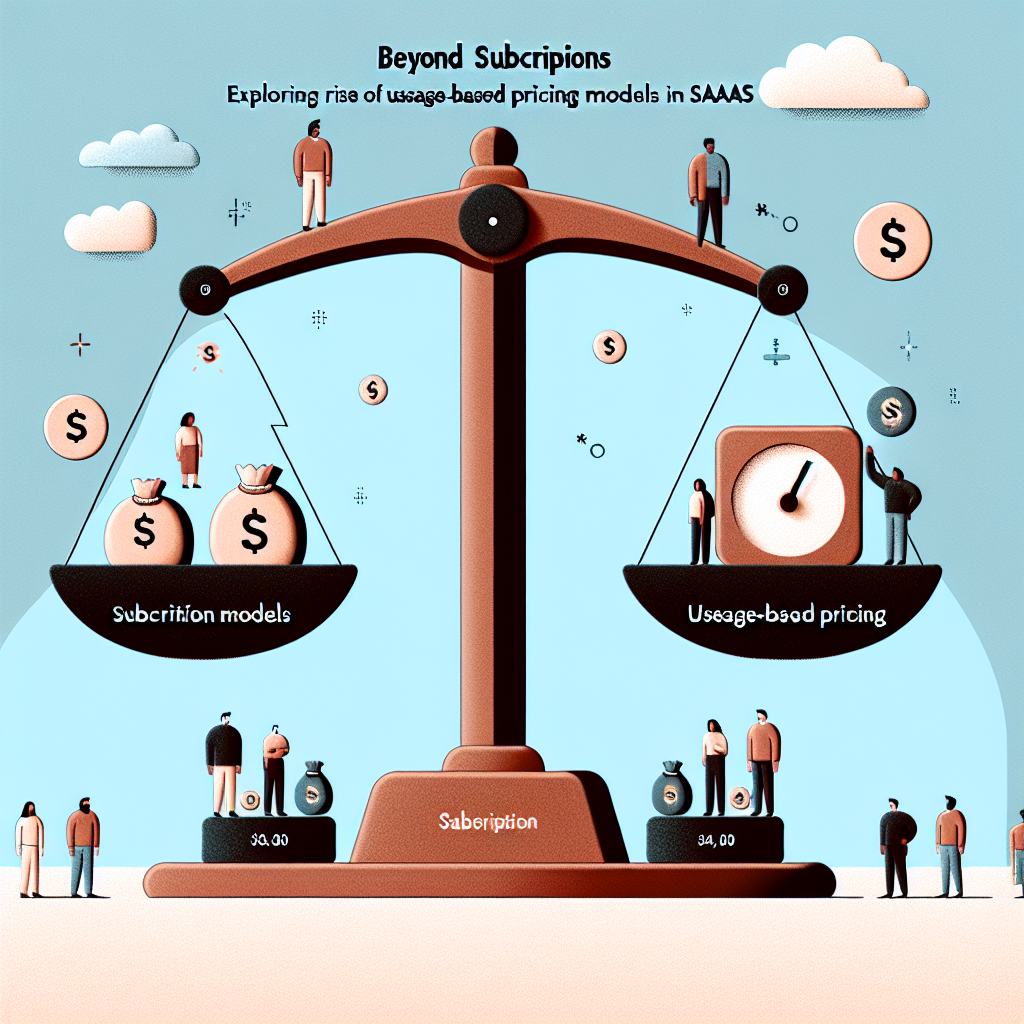
The traditional subscription model is evolving, with SaaS companies exploring new pricing strategies to align more closely with customer value. The shift towards consumption-based pricing, where users pay for what they actually use, is gaining traction.
Value-Based Pricing
This model allows businesses to scale their spending based on usage, making it attractive for organizations with fluctuating demands. Companies like AWS and Microsoft Azure are already leveraging this model, providing flexibility that meets the needs of modern enterprises.
Tiered Pricing Structures
Additionally, tiered pricing structures are becoming more common, allowing customers to choose plans that best fit their requirements. This strategy not only helps in catering to a broader audience but also enhances customer satisfaction by providing options.
Conclusion: Preparing for the Future of SaaS
The SaaS landscape in 2024 is poised for transformation, driven by AI advancements, the democratization of software development, enhanced security measures, a focus on customer experience, and evolving subscription models. To stay ahead, businesses must remain agile, continuously adapt to these trends, and prioritize their customers' needs. By embracing these emerging trends, organizations can ensure they not only survive but thrive in the competitive SaaS market.
As you navigate these changes, consider integrating AI solutions, exploring no-code platforms, enhancing your security protocols, prioritizing customer experience, and reevaluating your pricing models. The future is bright for those who are willing to innovate and adapt.