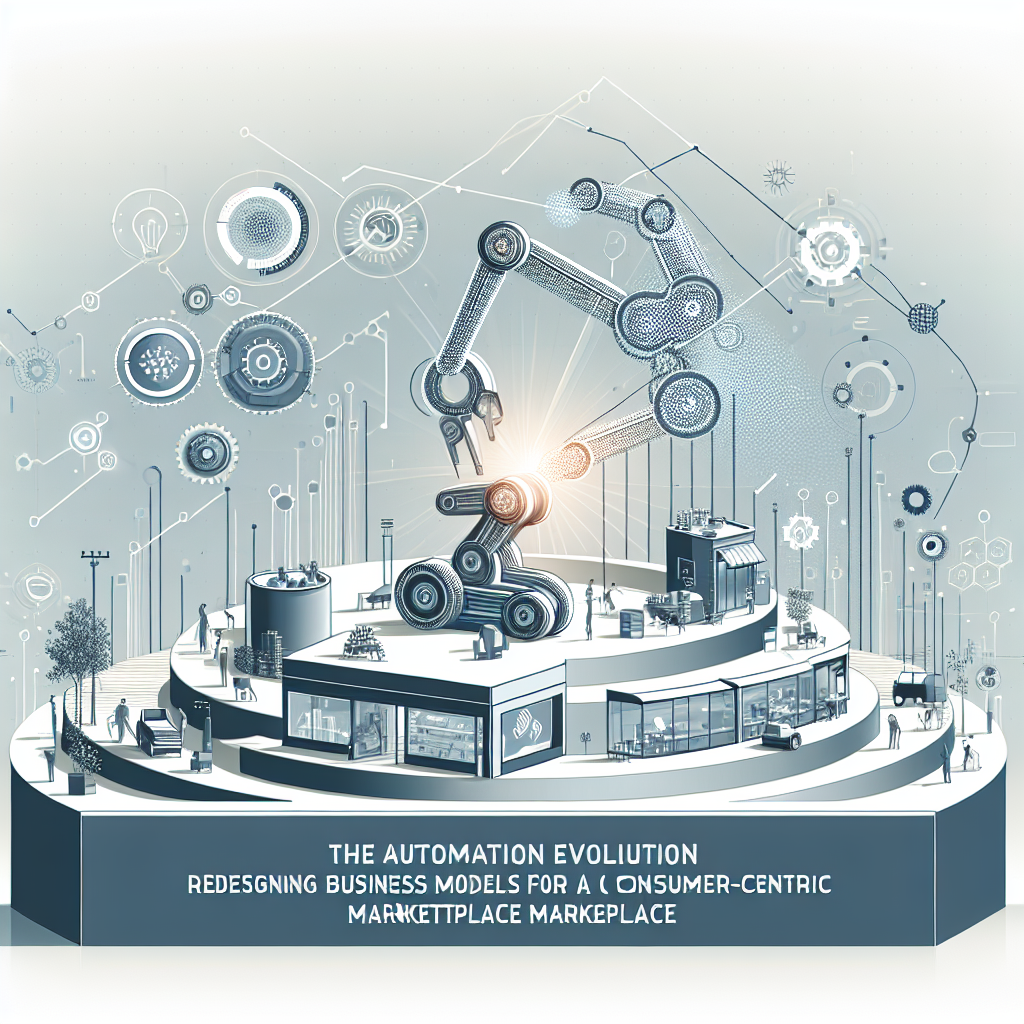
The Automation Evolution Redesigning Business Models for a Consumer-Centric Marketplace in 2026
The rapid evolution of technology has been a game changer for businesses across the globe. As we step into 2026, the landscape is shifting towards a more consumer-centric marketplace, largely driven by automation. Companies are not only adapting their operations but are also redesigning their business models to stay competitive in an increasingly automated world. This blog post explores how automation is reshaping business strategies, enhancing customer experiences, and driving market growth.
The Rise of Automation in Business
Automation is no longer a futuristic concept; it has become a fundamental aspect of modern business operations. According to a report by McKinsey, automation could increase global productivity by 0.8 to 1.4 percent annually. This increase is not merely a statistic; it signifies how businesses are rethinking their processes to enhance efficiency. From robotic process automation (RPA) in back-office operations to AI-driven chatbots in customer service, automation is streamlining workflows and reducing operational costs.
Transforming Traditional Industries
Industries such as retail, manufacturing, and logistics are undergoing significant transformations due to automation. For instance, major retailers like Amazon are leveraging automation not just in warehouses but also in inventory management and delivery processes. In 2026, the integration of drones and autonomous vehicles for delivery is expected to become mainstream, making the supply chain faster and more efficient. This shift allows businesses to meet consumer demands swiftly, thus enhancing satisfaction and loyalty.
The Consumer-Centric Approach
In the age of automation, the consumer has become the focal point of business strategies. Companies are harnessing data analytics and machine learning to understand consumer behavior better and tailor their offerings accordingly. According to a study by Salesforce, 70% of consumers say a company’s understanding of their individual needs influences their loyalty. This highlights the necessity for businesses to adopt a consumer-centric approach fortified by automation.
Personalization at Scale
One of the most significant advantages of automation is the ability to deliver personalized experiences at scale. With advanced AI algorithms, businesses can analyze vast amounts of data to predict consumer preferences and behaviors. For instance, streaming services like Netflix utilize automation to analyze viewing habits and recommend content tailored to individual users, thereby enhancing engagement. By 2026, we can expect even more sophisticated personalization techniques, creating a marketplace where consumers feel valued and understood.
Challenges and Considerations
While automation presents numerous opportunities, it is not without its challenges. A major concern is the potential for job displacement as machines take over tasks traditionally performed by humans. According to the World Economic Forum, automation could displace up to 85 million jobs by 2025, but it is also expected to create 97 million new roles. Businesses must navigate this transition carefully, focusing on reskilling and upskilling their workforce to adapt to new technologies.
Balancing Automation and Human Touch
Another critical consideration is finding the right balance between automation and human interaction. While automation can enhance efficiency, it is essential not to lose the human element in customer service. A survey by PwC found that 82% of consumers want more human interaction in the future. Companies must ensure that automation complements, rather than replaces, the human touch that fosters genuine connections with customers.
Looking Ahead: The Future of Business Models
As we move further into 2026, businesses will continue to innovate their models to thrive in an automated world. Subscription-based models, often powered by automation, are gaining traction across various sectors. This approach not only offers consumers convenience but also provides businesses with predictable revenue streams. Companies like Dollar Shave Club have successfully disrupted traditional retail models by leveraging automation to deliver tailored products directly to consumers’ doors.
Moreover, the rise of the circular economy is prompting businesses to rethink their supply chains and sustainability practices. Automation can play a crucial role in optimizing resource use and minimizing waste, aligning with consumers’ growing preference for environmentally responsible brands.
Conclusion: Embracing the Automation Evolution
The automation evolution is reshaping the business landscape, forcing companies to rethink their strategies and embrace a consumer-centric approach. By leveraging automation, businesses can enhance efficiency, personalize experiences, and create innovative business models that resonate with today’s consumers. However, it is vital to balance technology with human interaction, ensuring that the customer experience remains at the forefront.
As we look toward the future, businesses must be proactive in adapting to these changes. Here are some actionable takeaways:
- Invest in automation technologies that align with your business goals.
- Prioritize data analytics to better understand consumer preferences.
- Focus on reskilling your workforce to adapt to new roles created by automation.
- Maintain the human touch in customer interactions to foster loyalty.
- Explore innovative business models like subscriptions and circular economy practices.
By embracing these strategies, businesses can thrive in the evolving marketplace of 2026 and beyond.