The Automation Paradigm: How Evolving Consumer Psychology Will Transform Tech Business Models by 2026
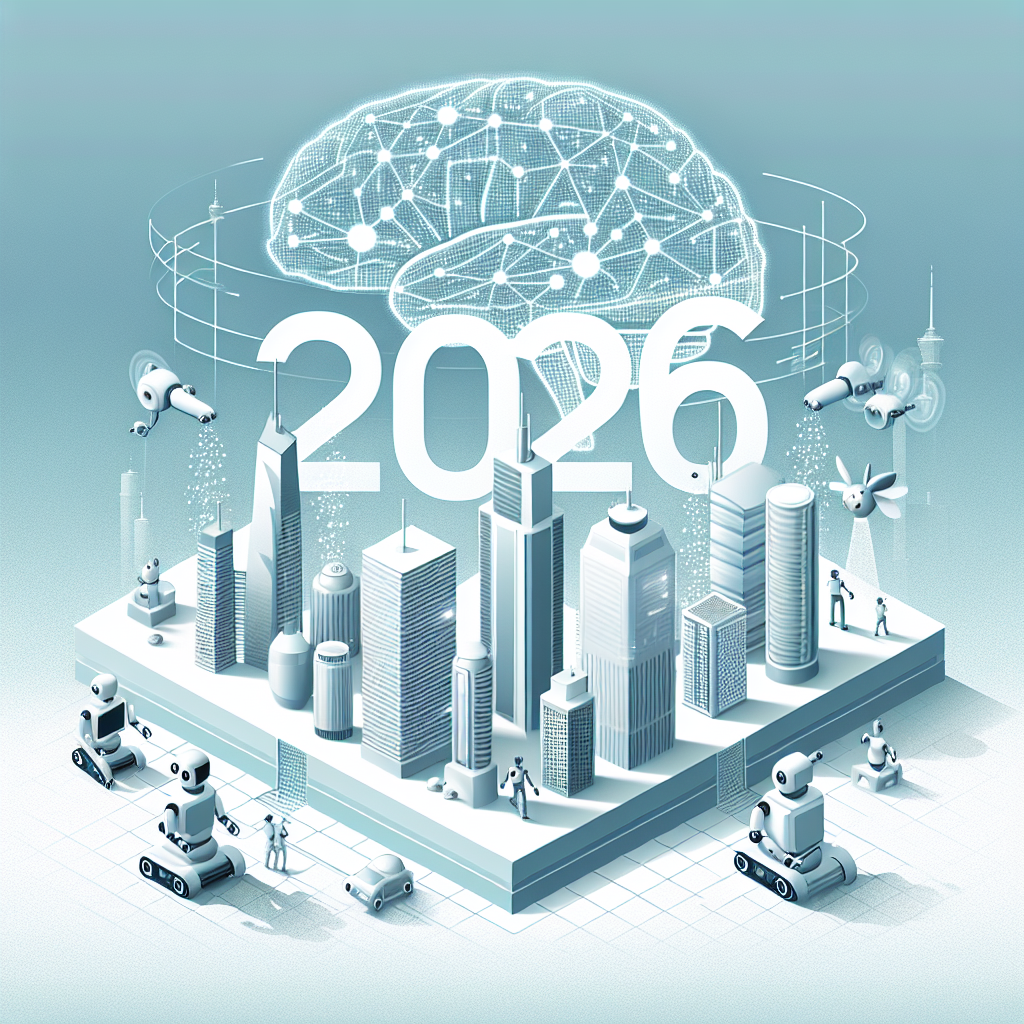
As we leap into a future driven by innovation and technology, the concept of automation has permeated our daily lives, influencing not just how we interact with machines but also how we think and behave as consumers. By 2026, the evolving landscape of consumer psychology will significantly transform tech business models, leading to a paradigm shift that prioritizes automation, personalization, and seamless user experiences. This blog post explores how these changes will reshape the tech industry and what businesses need to do to stay ahead.
Understanding Consumer Psychology in the Age of Automation
Consumer psychology is the study of how thoughts, beliefs, feelings, and perceptions influence how people interact with products and services. In an increasingly automated world, consumers are becoming more sophisticated in their expectations. They crave efficiency, personalization, and convenience. Research indicates that 70% of consumers are more likely to purchase from brands that offer personalized experiences, highlighting the need for businesses to adapt their models accordingly.
The Rise of Data-Driven Decision Making
With the advent of big data and analytics, businesses can now gather insights into consumer behavior like never before. Automation tools enable companies to process vast amounts of data in real-time, allowing for swift adjustments to marketing strategies and product offerings. For instance, Netflix uses sophisticated algorithms to analyze viewing habits, enabling it to suggest content tailored to individual preferences, thus enhancing user satisfaction and retention.
Automation: The Backbone of Future Business Models
As automation technologies continue to evolve, they will redefine the core of tech business models. Companies like Amazon have already set the stage by integrating robotics and AI into their logistics and customer service operations. By 2026, we can expect more businesses to adopt similar strategies, focusing on efficiency and scalability.
Streamlining Operations
Automating customer service through chatbots and AI-driven support systems is just the tip of the iceberg. Businesses can automate routine tasks such as inventory management, invoicing, and data entry, freeing up human resources for more complex tasks. A McKinsey report estimates that automation could raise productivity growth globally by 0.8 to 1.4 percent annually. This increase in efficiency will lead to reduced operational costs and enhanced profitability, which are crucial for survival in a competitive market.
Enhancing Personalization through AI
As consumer expectations shift, the demand for highly personalized products and services will rise. Artificial intelligence will play a pivotal role in this transformation. With advancements in machine learning, companies can predict consumer behavior and tailor their offerings accordingly. For instance, Spotify’s Discover Weekly playlist is a prime example of how AI can personalize user experiences by curating music based on individual listening habits.
The Ethical Implications of Automation
While the benefits of automation are clear, there are ethical considerations that tech companies must address. Consumers are increasingly aware of their data privacy rights, and businesses that fail to prioritize ethical data practices risk losing customer trust. A recent survey revealed that 79% of consumers are concerned about how their data is used. Therefore, tech businesses must implement transparent data policies and prioritize consumer consent to build long-lasting relationships.
Building Trust through Transparency
To foster trust, companies should communicate their data practices clearly and show consumers how their information is being used to enhance their experiences. This transparency not only helps in compliance with regulations like GDPR but also positions companies as trustworthy entities in the eyes of consumers. For example, Apple has carved out a niche by emphasizing user privacy, leading to increased brand loyalty and customer satisfaction.
Preparing for the Future: Actionable Strategies for Businesses
As we approach 2026, tech businesses must take proactive steps to adapt to the evolving consumer landscape. Here are some actionable strategies:
- Invest in AI and Automation: Embrace AI technologies to streamline operations and improve customer experiences. Automation tools can free up resources and allow for a focus on strategic initiatives.
- Focus on Personalization: Utilize data analytics to understand consumer preferences and tailor offerings. Personalization is not just a trend; it’s becoming a necessity for staying competitive.
- Promote Ethical Practices: Prioritize data transparency and ethical use of consumer information to build trust. Implementing strong data privacy measures will differentiate your brand in a crowded marketplace.
- Continuous Learning and Adaptation: Stay informed about emerging technologies and changing consumer behaviors. Regularly assess and adapt your business model to meet the evolving demands of the market.
Conclusion: Embracing the Automation Paradigm
The automation paradigm is not just about technology; it’s a reflection of changing consumer psychology that demands efficiency, personalization, and transparency. By 2026, businesses that embrace these changes will not only survive but thrive in an increasingly competitive landscape. As you prepare for the future, remember that the key to success lies in understanding your consumers, leveraging technology wisely, and maintaining ethical practices that foster trust. The future is here—are you ready to embrace it?