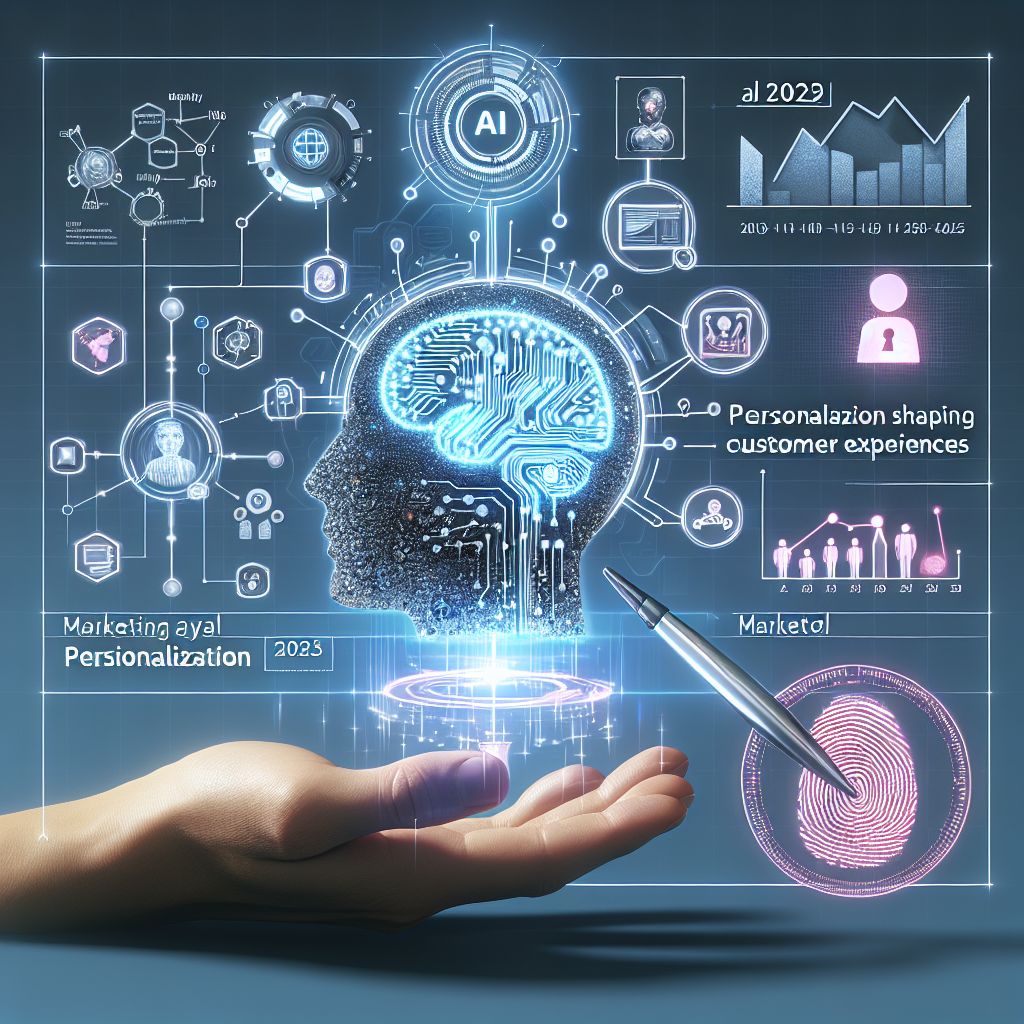
The Future of Marketing: How AI and Personalization Will Shape Customer Experiences in 2025
As we move closer to 2025, the marketing landscape is undergoing a seismic shift driven by advancements in artificial intelligence (AI) and the increasing demand for personalized customer experiences. Businesses are realizing that a one-size-fits-all approach no longer resonates with today's consumers. Instead, the future of marketing lies in harnessing the power of AI to create tailored experiences that engage customers on a deeper level. In this blog post, we will explore how AI and personalization will transform customer experiences, providing insights into trends, technologies, and strategies that businesses can adopt to stay ahead of the curve.
The Rise of AI in Marketing
The integration of AI into marketing strategies is not merely a trend; it's a necessity. According to a report by PwC, 72% of business leaders believe AI will be a fundamental part of their business strategy in the next few years. AI technologies, such as machine learning and natural language processing, enable marketers to analyze vast amounts of data quickly and derive actionable insights.
Data-Driven Decision Making
At the heart of AI's impact on marketing is its ability to process data at an unprecedented scale. In 2025, marketers will rely heavily on AI to analyze customer interactions across multiple channels, allowing them to understand behavior patterns, preferences, and pain points. For instance, AI algorithms can predict which products a customer is likely to purchase based on their browsing history and demographics, leading to more effective targeting and higher conversion rates.
Enhanced Customer Segmentation
Gone are the days of basic demographic segmentation. AI enables hyper-personalized segmentation by creating detailed customer profiles that include not just demographics but also psychographics, purchasing behavior, and even sentiment analysis from social media. In 2025, businesses that leverage AI for segmentation will be better positioned to deliver relevant content and offers, leading to increased customer loyalty.
Personalization: The Key to Customer Engagement
Personalization is no longer a luxury; it’s an expectation. Research from Epsilon indicates that 80% of consumers are more likely to make a purchase when brands offer personalized experiences. As we approach 2025, the demand for tailored customer interactions will only intensify.
Dynamic Content Delivery
With AI, marketers can create dynamic content that adapts to individual user behavior in real-time. Imagine visiting a website and being greeted with personalized product recommendations based on your previous visits, searches, and even social media activity. This level of personalization not only enhances the user experience but also drives conversions. For example, Netflix employs sophisticated algorithms to recommend shows and movies, resulting in over 80% of the content watched coming from its recommendation engine.
Predictive Analytics and Customer Journey Mapping
AI-powered predictive analytics will play a crucial role in shaping the customer journey in 2025. By analyzing historical data and identifying trends, AI can anticipate future customer behavior and preferences. This allows businesses to proactively engage customers at various touchpoints along their journey. Whether it's sending a reminder for a subscription renewal or suggesting complementary products, predictive analytics enables a more seamless and satisfying experience.
Challenges and Ethical Considerations
While the potential for AI and personalization in marketing is promising, it is not without challenges. Privacy concerns are at the forefront of this conversation. With data breaches and misuse of customer information making headlines, trust is a critical factor for consumers. As businesses increasingly rely on data to personalize experiences, they must prioritize transparency and ethical data usage.
Building Trust Through Transparency
In 2025, marketers will need to navigate the fine line between personalization and invasion of privacy. Establishing trust with consumers will require clear communication about how their data is being used. Implementing robust data protection measures and allowing customers to control their information will be essential in fostering a positive relationship. Brands that prioritize ethical practices will not only comply with regulations but will also set themselves apart in a crowded marketplace.
Conclusion: Embracing the Future of Marketing
The future of marketing in 2025 is poised to be a fascinating blend of AI and personalization, fundamentally changing how brands interact with consumers. Businesses that embrace these technologies will not only enhance customer experiences but also drive growth and loyalty. Here are some actionable takeaways for marketers:
- Invest in AI tools: Explore AI-driven platforms that can help analyze data and enhance customer insights.
- Prioritize personalization: Focus on creating personalized experiences that resonate with individual preferences and behaviors.
- Maintain ethical standards: Be transparent about data usage and prioritize customer privacy to build trust.
- Stay informed: Keep up with emerging trends and technologies in AI and marketing to remain competitive.
As we look ahead, the integration of AI and personalization will redefine customer experiences, creating a new paradigm for marketers. By adapting to these changes and embracing innovative technologies, businesses can unlock new opportunities and drive meaningful connections with their customers.