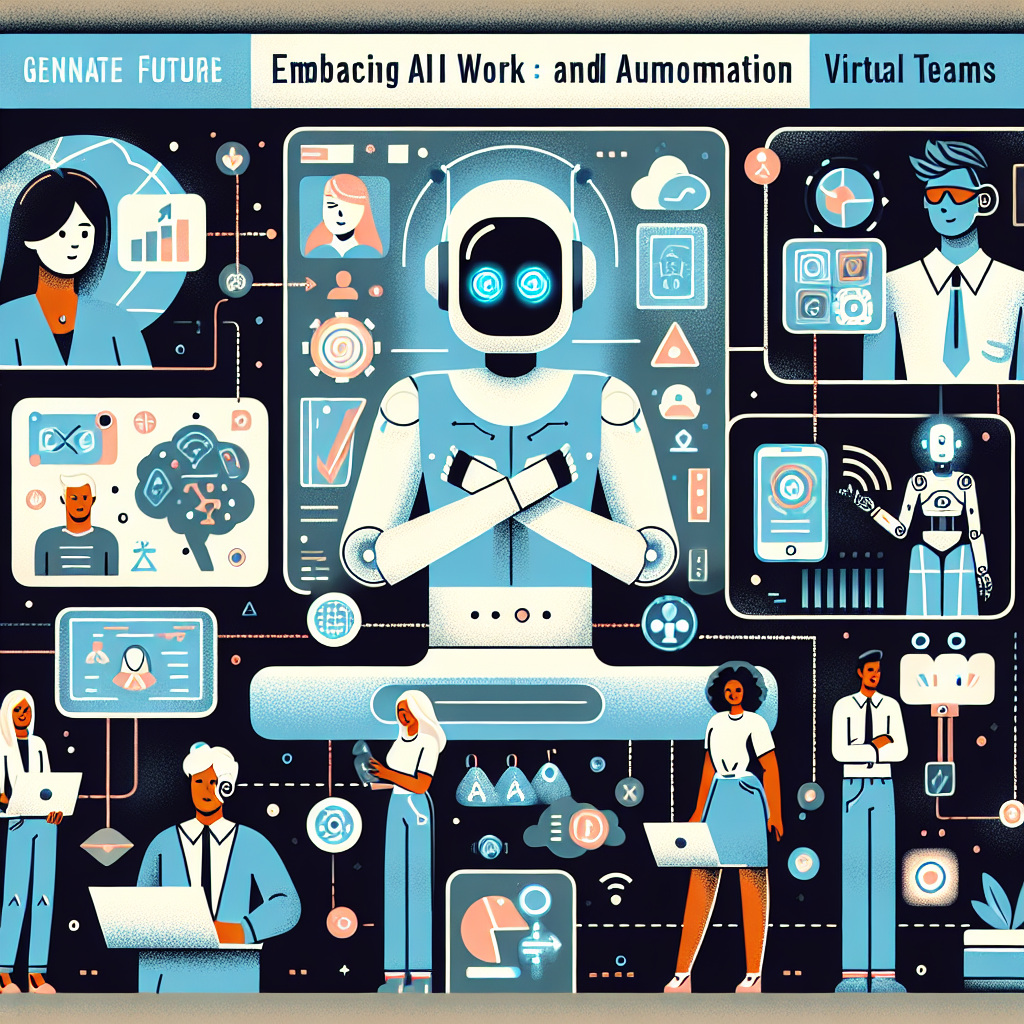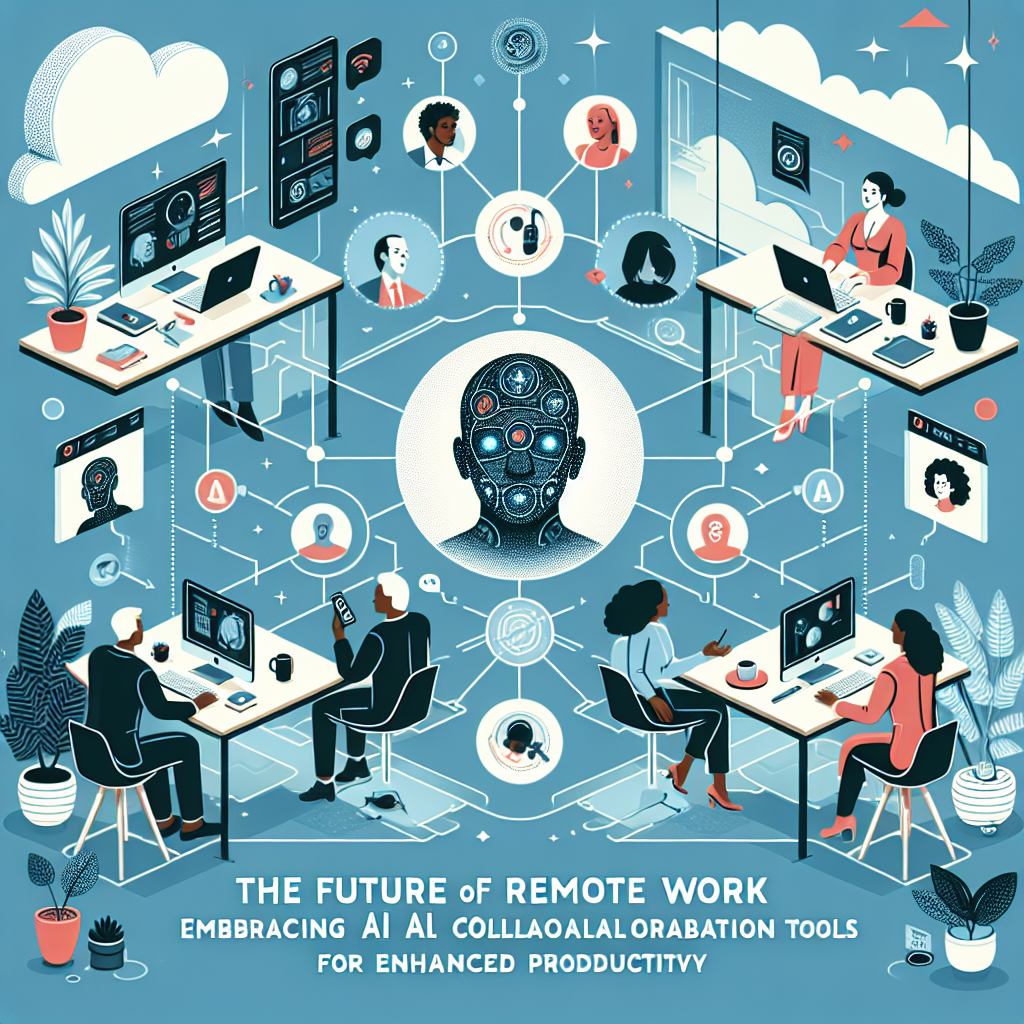
The Future of Remote Work: Embracing AI and Automation for Enhanced Productivity
The landscape of work has undergone a monumental shift in recent years, with remote work becoming more than just a trend; it's now a staple of modern employment. As companies and employees alike adapt to this new reality, the integration of artificial intelligence (AI) and automation is poised to redefine productivity in the workplace. This blog post delves into how these technologies are transforming remote work, enhancing efficiency, and paving the way for a more dynamic and innovative future.
The Rise of Remote Work and Its Challenges
According to a report by Stanford University, remote work can increase productivity by 13%. However, this shift has also brought about unique challenges. Issues such as communication barriers, feelings of isolation, and difficulties in managing workflows can hinder productivity. Companies are now seeking innovative solutions to address these challenges, and AI and automation present promising avenues.
Communication and Collaboration
Effective communication is crucial for remote teams. AI-powered tools like chatbots and virtual assistants can facilitate seamless communication, allowing team members to access information and resources without delay. For instance, tools like Slack and Microsoft Teams integrate AI features that help prioritize messages, filter out noise, and even schedule meetings automatically, which can significantly reduce the time spent on administrative tasks.
Task Management and Workflow Automation
Automation tools are transforming how tasks are managed in remote work settings. Software such as Asana and Trello utilizes AI to analyze workload patterns and suggest optimal task assignments. By automating repetitive tasks, employees can focus on higher-value activities that require creativity and critical thinking. A McKinsey report suggests that up to 45% of work activities could be automated with current technologies, leading to a significant increase in productivity.
AI-Driven Personalization for Enhanced Productivity
AI not only streamlines processes but also enhances the personalization of work experiences. For example, AI algorithms can analyze an individual's work habits and suggest personalized productivity strategies, such as the best times to tackle certain tasks or recommended breaks. This level of personalization can lead to improved job satisfaction and efficiency.
Data-Driven Insights for Better Decision Making
Remote work generates vast amounts of data, and AI can help organizations glean actionable insights from this data. By utilizing analytics tools, companies can monitor employee performance, engagement levels, and workflow bottlenecks. For instance, tools like Google Analytics and Tableau can provide real-time data that helps managers make informed decisions about resource allocation and project timelines. This proactive approach not only boosts productivity but also fosters a culture of continuous improvement.
Building a Future-Ready Workforce
As AI and automation reshape the workplace, it’s crucial for organizations to invest in upskilling their workforce. Employees need to adapt to new technologies and learn how to work alongside AI. According to a World Economic Forum report, by 2025, 85 million jobs may be displaced due to automation, while 97 million new roles could emerge that are more suited to the new division of labor between humans and machines.
Creating a Culture of Innovation
Organizations that foster a culture of innovation and encourage employees to embrace AI and automation will be better positioned for success. This involves not just training but also creating an environment where employees feel empowered to experiment with new technologies. Companies like Google and Amazon exemplify this approach, promoting a culture of continuous learning and adaptation.
Conclusion: Embracing Change for a Productive Future
The future of remote work is inextricably linked to the advancements in AI and automation. By embracing these technologies, companies can unlock enhanced productivity, foster collaboration, and create a more engaged workforce. However, it’s essential to approach this transition with a mindset of innovation and adaptability.
As we navigate this new landscape, here are some actionable takeaways:
- Invest in AI tools that enhance communication and collaboration among remote teams.
- Utilize automation for repetitive tasks to free up time for creative problem-solving.
- Encourage a culture of continuous learning to help employees adapt to new technologies.
- Leverage data analytics to make informed decisions and drive productivity improvements.
By doing so, organizations can not only enhance productivity but also build a resilient and future-ready workforce that thrives in the evolving world of remote work.