The Future of Remote Work: Embracing AI and Automation in a Hybrid Workforce
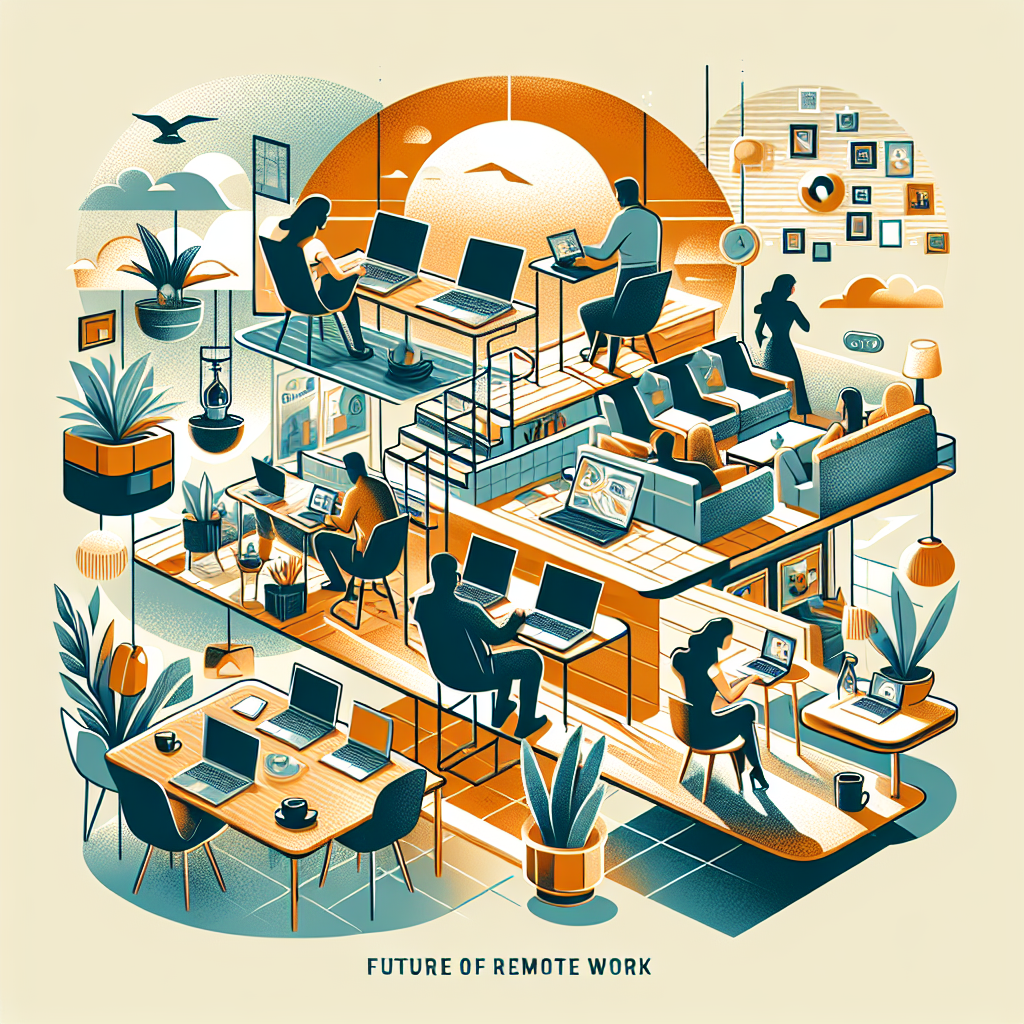
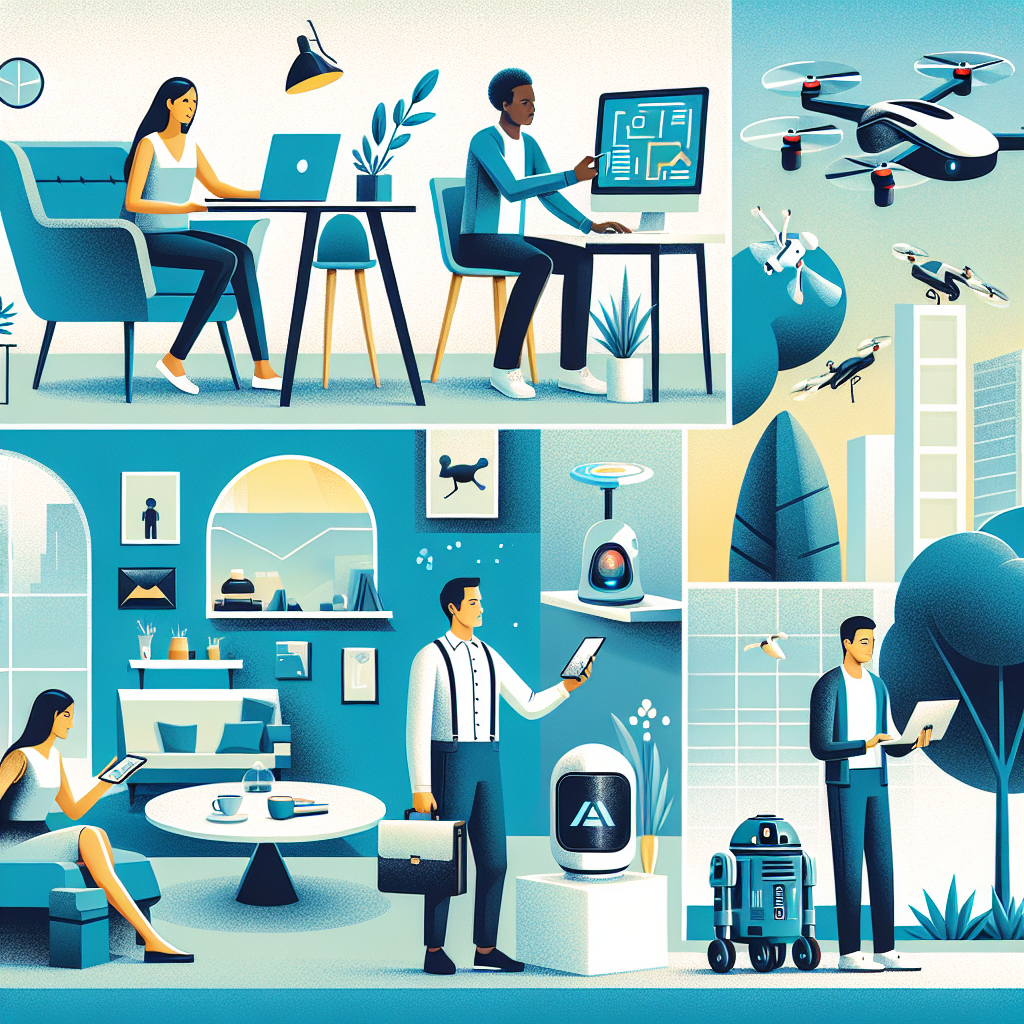
The landscape of work has transformed dramatically in recent years, with remote work becoming a permanent fixture in many industries. As organizations navigate this new normal, the integration of artificial intelligence (AI) and automation is set to redefine how we collaborate, manage tasks, and foster productivity. In this blog post, we will explore the future of remote work, focusing on how embracing AI and automation can enhance a hybrid workforce, improve employee experiences, and drive organizational success.
The Evolution of Remote Work
The shift to remote work was accelerated by the COVID-19 pandemic, with organizations forced to adapt quickly to maintain productivity. According to a report by McKinsey, over 20% of the global workforce can work remotely three to five days a week, highlighting the potential for a sustainable hybrid model.
This change has not only affected where we work but also how we work. Companies have invested in technology to facilitate communication and collaboration, paving the way for a more flexible and diverse workforce. However, as the dust settles, organizations must consider the implications of integrating AI and automation into this evolving landscape.
AI: Enhancing Collaboration and Communication
Artificial intelligence offers a plethora of tools designed to streamline collaboration and communication in remote settings. Tools like chatbots and virtual assistants are becoming commonplace, enabling teams to access information quickly and efficiently. For instance, platforms like Slack and Microsoft Teams are incorporating AI features that help schedule meetings, automate reminders, and even provide insights based on conversation patterns.
Personalized Employee Experiences
One of the most significant advantages of AI is its ability to personalize the employee experience. By analyzing data from employee interactions, organizations can tailor training and development programs to meet individual needs. A study by Deloitte revealed that 83% of organizations using AI for employee engagement saw measurable improvements in satisfaction and productivity.
Automation: Streamlining Processes for a Hybrid Workforce
Automation is another game-changer for hybrid work environments. Routine tasks that once consumed valuable time can now be automated, allowing employees to focus on higher-value work. For example, automated project management tools like Asana and Trello help teams track progress and deadlines without the need for constant manual updates.
Boosting Productivity and Reducing Burnout
By automating repetitive tasks, organizations can significantly boost productivity while reducing employee burnout. According to a report by Gallup, employees who feel overwhelmed by their workload are more likely to experience burnout, leading to decreased performance and higher turnover rates. By streamlining processes, companies can create a more balanced work environment that prioritizes mental well-being.
Building a Culture of Trust and Innovation
As organizations embrace AI and automation, it is crucial to maintain a culture of trust and innovation. Employees may feel apprehensive about the implications of AI on their jobs; thus, transparency is key. Leaders should communicate openly about how AI will be used to support, not replace, human workers.
Moreover, fostering a culture of innovation encourages employees to embrace new technologies. Companies like Google and Adobe have successfully implemented innovation labs, where employees can experiment with AI tools and propose new ideas for automation. This approach not only builds trust but also empowers employees to take ownership of their work.
Preparing for the Future: Skills and Training
As AI and automation become integral to remote work, organizations must prioritize upskilling and reskilling their workforce. A report by the World Economic Forum predicts that by 2025, 85 million jobs may be displaced by the shift in labor between humans and machines. However, this also presents an opportunity for new roles to emerge, particularly in AI management and data analysis.
Investing in Continuous Learning
To stay competitive, organizations need to invest in continuous learning opportunities. Providing access to online courses and workshops can help employees develop new skills aligned with the future of work. Companies like LinkedIn and Coursera offer a range of training programs that focus on AI and automation, helping employees stay ahead of the curve.
Conclusion: Embracing Change for a Successful Future
The future of remote work hinges on our ability to embrace AI and automation while cultivating a hybrid workforce that values collaboration, trust, and innovation. By leveraging these technologies, organizations can enhance employee experiences, streamline processes, and drive productivity. However, it is essential to approach this transformation thoughtfully, ensuring that employees feel supported and empowered.
In summary, as we move forward, organizations should:
- Invest in AI tools that enhance collaboration and communication.
- Automate routine tasks to boost productivity and reduce burnout.
- Foster a culture of trust and innovation through transparent communication.
- Prioritize upskilling and reskilling to prepare for the future workforce.
By taking these actionable steps, organizations can not only survive but thrive in the evolving landscape of remote work.