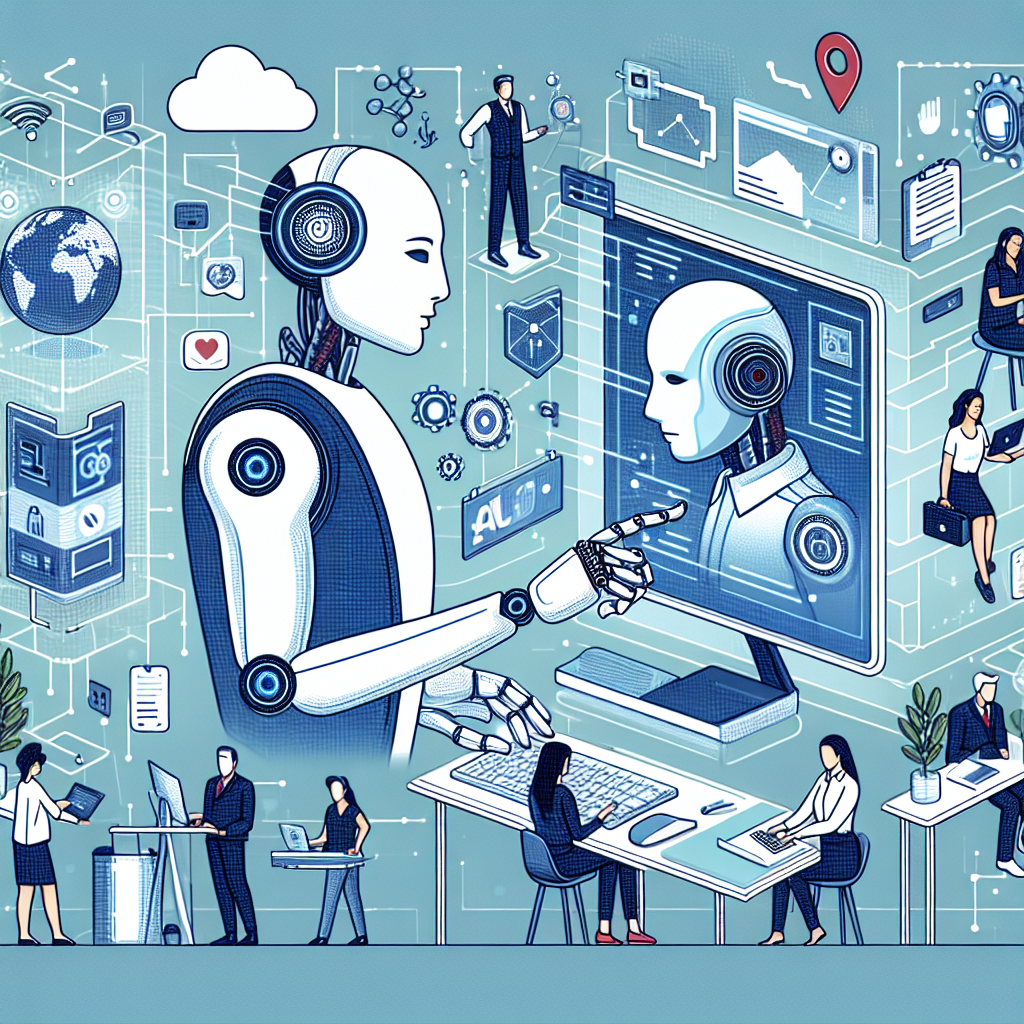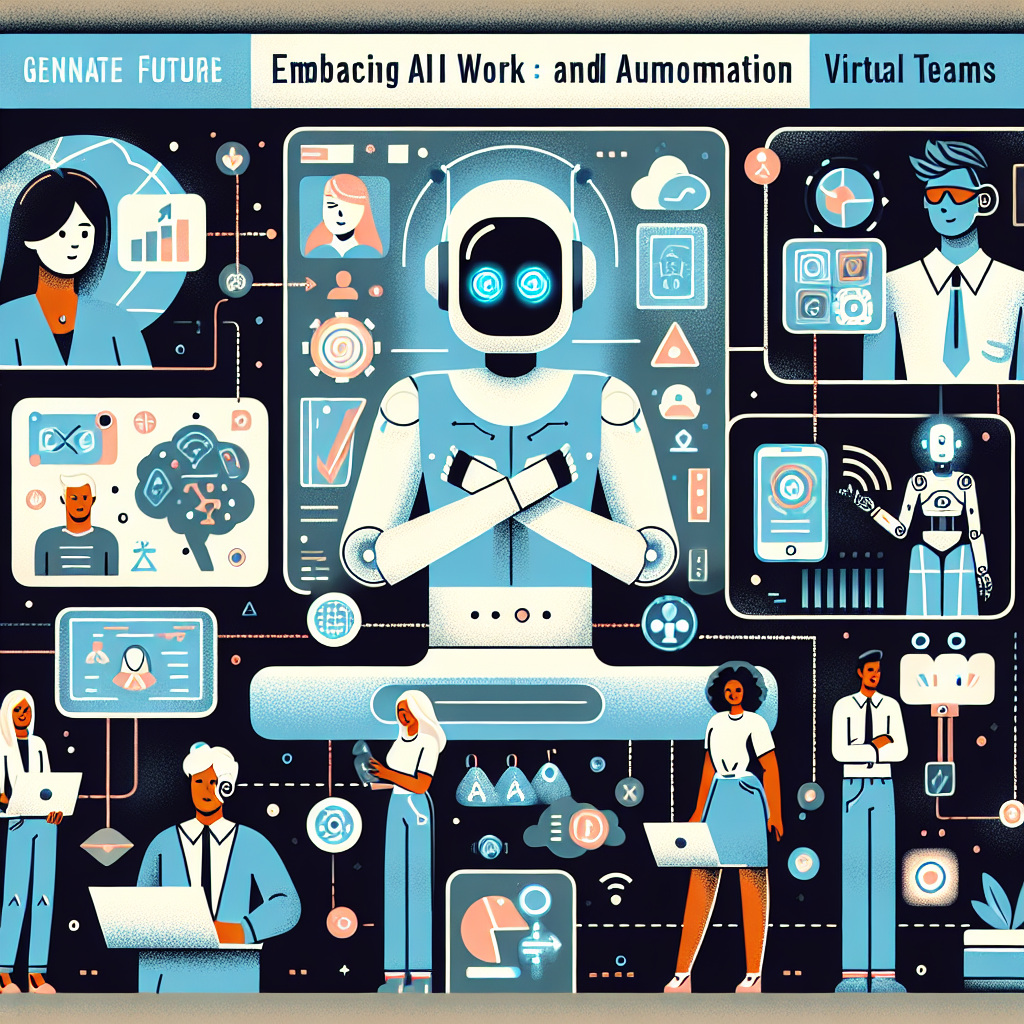
The Future of Remote Work: Embracing AI and Automation in Virtual Teams
The landscape of work has undergone a monumental shift in recent years, particularly accelerated by the global pandemic. Remote work has transitioned from a temporary solution to a lasting model embraced by companies worldwide. As we look to the future, artificial intelligence (AI) and automation are poised to redefine how virtual teams operate, enhancing productivity, collaboration, and employee satisfaction. In this blog post, we will explore the integration of AI and automation in remote work, its implications for virtual teams, and actionable insights for organizations seeking to thrive in this evolving environment.
The Growing Role of AI in Remote Work
AI technologies are becoming increasingly integral to the remote work experience. According to a report by McKinsey, organizations that adopt AI can increase productivity by up to 40%. From chatbots that assist with customer service to intelligent project management tools, AI is streamlining workflows and facilitating smoother communication among team members.
Enhancing Communication and Collaboration
Effective communication is the backbone of successful remote teams. AI-driven tools like Microsoft Teams and Slack utilize machine learning algorithms to suggest relevant documents, manage schedules, and even transcribe meetings in real-time. These features ensure that team members remain aligned, regardless of their physical location. For instance, tools like Otter.ai can record and transcribe meetings, allowing team members to focus on discussions instead of taking notes.
Automating Routine Tasks
Automation can significantly reduce the time spent on mundane tasks, allowing team members to focus on high-value work. For example, platforms like Zapier and Integromat automate repetitive workflows, such as data entry and email responses, which can free up hours in an employee's week. According to a study by the World Economic Forum, automation could lead to the creation of 12 million new jobs in the next five years, indicating a shift in the types of roles that will be in demand.
Challenges and Considerations of AI in Remote Work
While the integration of AI and automation presents numerous benefits, it also poses challenges that organizations must navigate. A survey by PwC found that 77% of workers expressed concerns about job security in an increasingly automated world. This sentiment highlights the need for companies to approach AI adoption with care and transparency.
Maintaining a Human Touch
As teams become more reliant on AI, maintaining a human element in interactions is crucial. Virtual team leaders should prioritize emotional intelligence and foster a culture of empathy. Regular check-ins and team-building activities can help mitigate feelings of isolation and ensure that team members feel valued. For instance, Google has implemented virtual coffee breaks to encourage casual conversations and strengthen relationships among remote employees.
Upskilling and Reskilling Employees
To adapt to the changing landscape, organizations must invest in upskilling and reskilling their workforce. A report from the World Economic Forum highlights that 94% of business leaders expect employees to pick up new skills on the job. Companies can offer training programs focused on AI literacy and automation tools, empowering employees to leverage these technologies effectively. For example, IBM offers a variety of online courses through their Skills Gateway to help employees stay ahead in their careers.
The Future of Virtual Teams: A Blend of Human and Machine
The future of remote work is not about replacing humans with machines but rather about creating a synergistic relationship between the two. AI can take over repetitive tasks while humans can focus on creativity, critical thinking, and relationship-building—skills that machines cannot replicate. According to Gartner, by 2025, 80% of all customer interactions will be managed by AI, indicating a significant shift in how businesses operate.
Creating a Flexible Work Environment
As organizations continue to embrace AI and automation, the concept of flexible work will become increasingly important. Companies should consider hybrid models that allow employees to choose where and when they work, supported by AI tools that facilitate seamless collaboration. This flexibility can lead to higher job satisfaction and reduced turnover rates. A survey by Buffer found that 32% of remote workers cite flexibility in schedule and location as their top benefit of remote work.
Conclusion: Embracing Change for a Bright Future
The integration of AI and automation into remote work is not just an option; it is becoming a necessity for organizations aiming to remain competitive. By enhancing communication, automating routine tasks, and investing in employee development, companies can create a robust virtual team environment that leverages the strengths of both humans and machines.
As we move forward, here are some actionable takeaways for businesses looking to embrace this future:
- Invest in AI-driven tools that enhance communication and collaboration among team members.
- Automate repetitive tasks to free up employees’ time for strategic initiatives.
- Foster a culture of empathy and emotional intelligence to maintain human connections.
- Provide opportunities for upskilling and reskilling to prepare employees for the future of work.
- Consider flexible work arrangements that accommodate diverse employee needs and preferences.
By taking these steps, organizations can not only navigate the challenges of remote work but also harness the potential of AI and automation to create a thriving virtual team environment.