The Future of Remote Work Trends Shaping the Workspace of Tomorrow
As the dust settles on the whirlwind of change that the COVID-19 pandemic brought to the workplace, it’s clear that remote work is not just a temporary adjustment but a fundamental shift in how we approach our professional lives. Companies and employees alike are re-evaluating their roles, responsibilities, and even their environments, leading us to the exciting territory of what the future of work will look like. In this blog post, we’ll explore the trends shaping the workspace of tomorrow, providing insights that will help businesses and individuals navigate this evolving landscape.
The Rise of Hybrid Work Models
One of the most significant trends is the emergence of hybrid work models, which combine remote and in-office work. According to a survey by McKinsey, 58% of employees reported having the option to work remotely at least one day a week, and this trend is likely to continue. Companies like Google and Microsoft have already embraced hybrid models, allowing employees to choose the best environment for their productivity.
Benefits of Hybrid Work
Hybrid work offers flexibility, which can lead to increased job satisfaction and retention rates. A study from Buffer found that 32% of remote workers cite flexibility as their top benefit. Additionally, hybrid models can reduce overhead costs for companies, as they can downsize their office space and utilize shared workstations.
Challenges to Consider
However, hybrid work models are not without their challenges. Communication can become fragmented, leading to feelings of isolation among remote workers. To combat this, companies need to invest in robust communication tools and foster a culture that values inclusivity, ensuring that all employees feel connected regardless of their location.
Technology as a Catalyst for Change
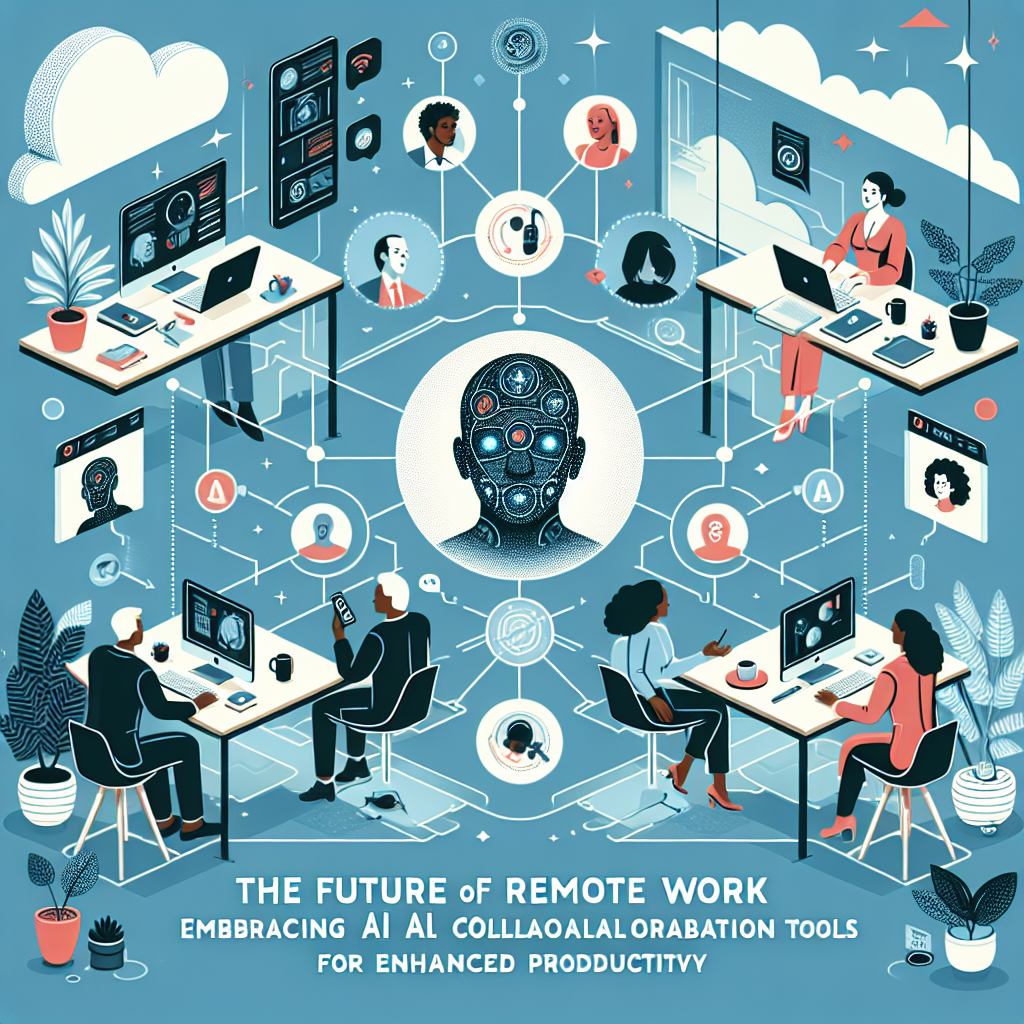
Technology continues to be a driving force behind the evolution of remote work. With advancements in collaboration tools, project management software, and video conferencing platforms, teams can operate seamlessly across distances. Tools like Slack, Zoom, and Asana have become staples in the remote work toolkit, enabling real-time collaboration and enhancing productivity.
Artificial Intelligence and Automation
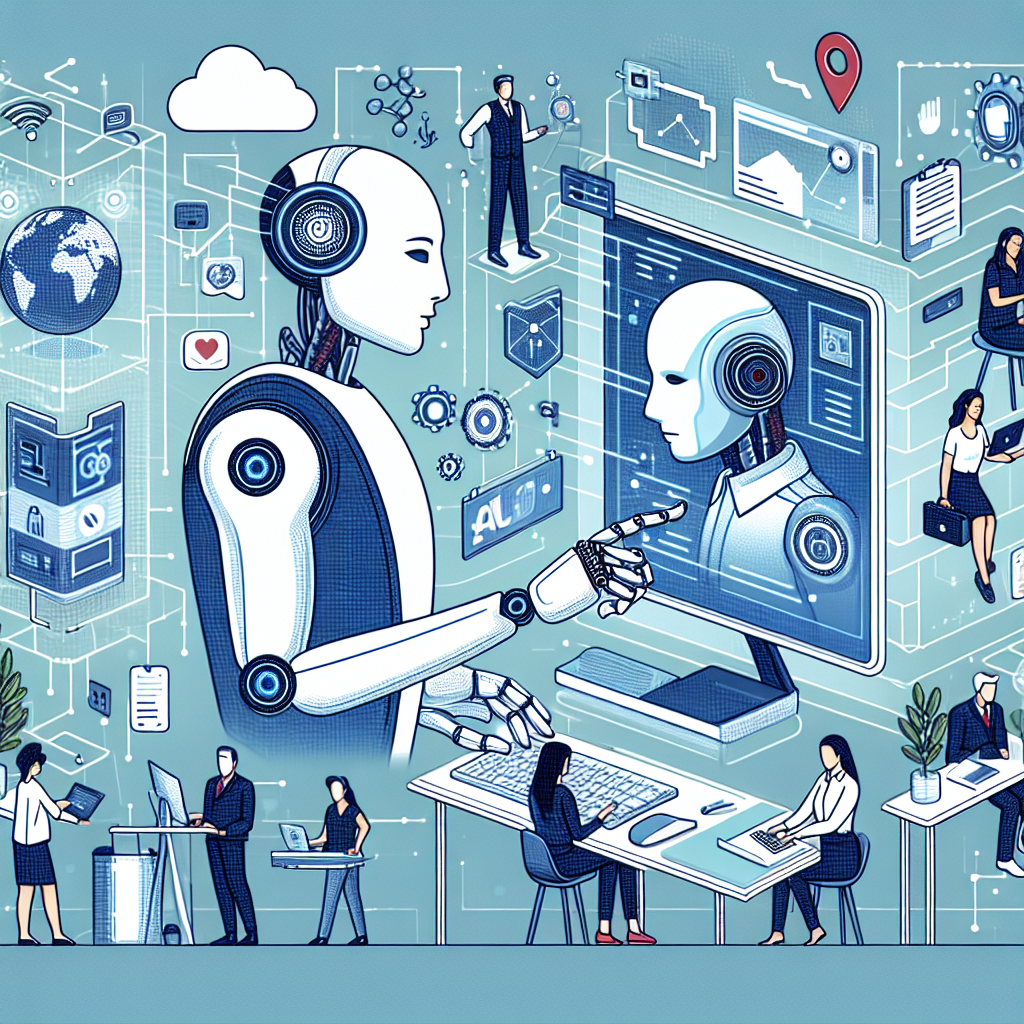
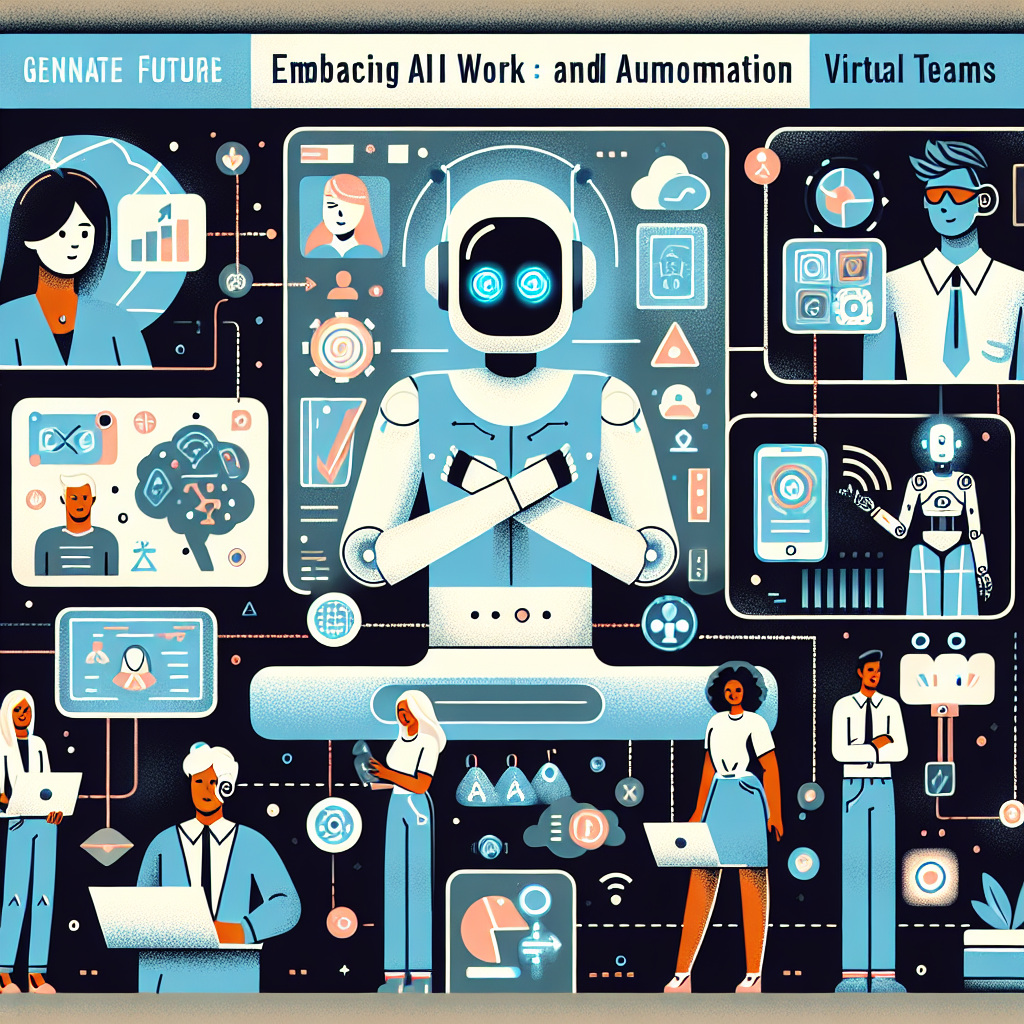
Looking ahead, the integration of artificial intelligence (AI) and automation into the workplace will further transform remote work. AI can streamline repetitive tasks, analyze data to inform decision-making, and even provide personalized learning experiences for employees. According to a report by Gartner, 80% of organizations plan to use AI to enhance their employee experience by 2025.
Virtual and Augmented Reality
Moreover, virtual reality (VR) and augmented reality (AR) technologies are set to revolutionize how teams interact. Imagine an immersive team meeting where remote employees can “sit” together in a virtual space, fostering a sense of presence that transcends physical boundaries. Companies like Facebook (now Meta) are investing heavily in this technology, indicating a shift towards more interactive and engaging remote work environments.
The Importance of Mental Health and Work-Life Balance
As remote work becomes a permanent fixture, the focus on mental health and work-life balance is more crucial than ever. The World Health Organization (WHO) reported a 25% increase in anxiety and depression during the pandemic, highlighting the need for organizations to prioritize employee well-being.
Implementing Wellness Programs
To address these concerns, companies should implement comprehensive wellness programs that cater to the mental and emotional needs of their workforce. This includes offering flexible schedules, access to mental health resources, and fostering a culture where taking breaks is encouraged. A study by the American Psychological Association found that companies investing in employee wellness see a return of $4 for every $1 spent, demonstrating that a healthy workforce is a productive one.
Creating a Supportive Culture
Additionally, leaders should actively promote a supportive culture that encourages open communication about mental health. Regular check-ins, team-building activities, and transparent discussions about workloads can help mitigate feelings of isolation and stress among remote workers.
Redefining Workplace Design and Culture
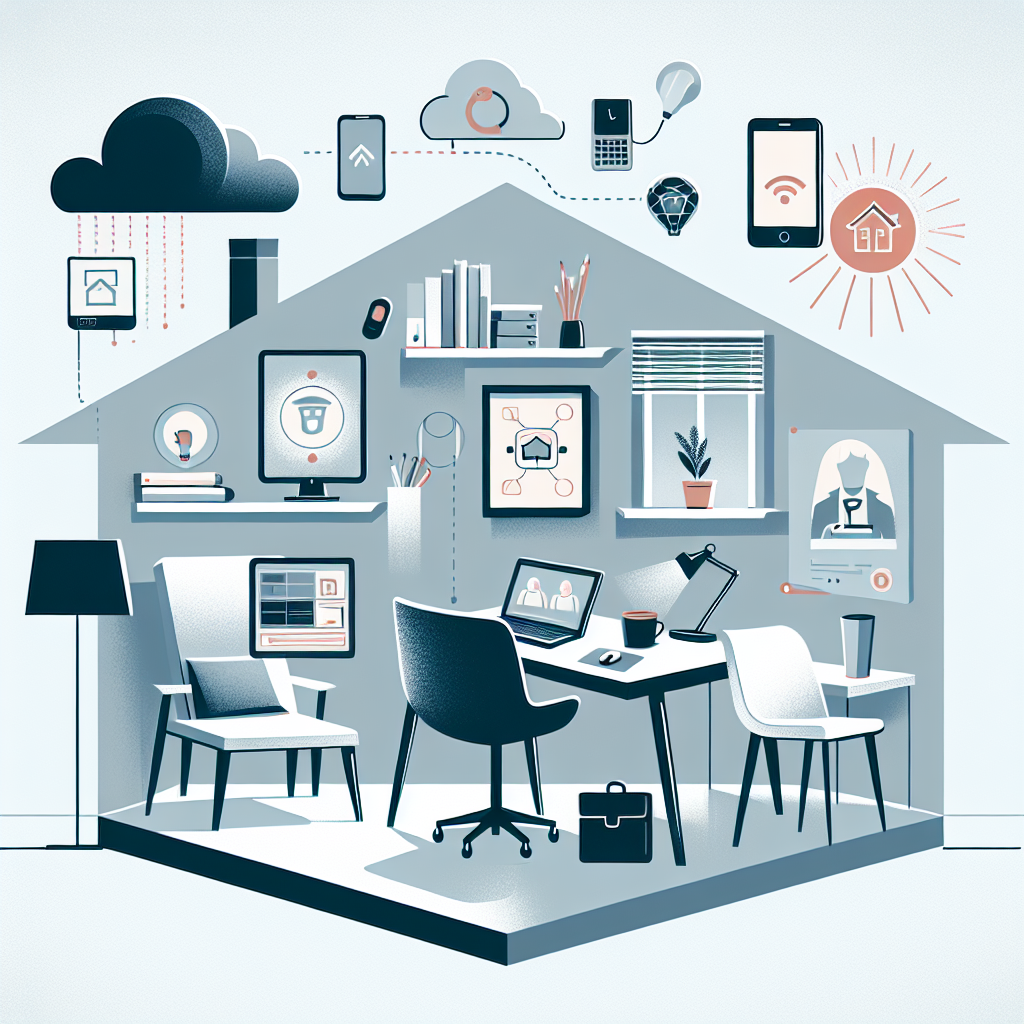
As we move into this new era, the physical workspace will also evolve. Companies are rethinking their office designs to accommodate a more flexible workforce. Open spaces, collaborative areas, and quiet zones will become the norm, allowing employees to choose their environment based on their tasks and needs.
Emphasizing Sustainability
Moreover, sustainability will play a pivotal role in future workplace design. With remote work reducing the need for large office spaces, businesses are now more inclined to invest in eco-friendly practices. This includes utilizing sustainable materials in office design and reducing energy consumption, aligning corporate practices with the growing demand for environmental responsibility.
Conclusion: Preparing for the Future
The future of remote work is not just about where we work; it’s about how we work. As hybrid models, advanced technologies, mental health awareness, and sustainable practices shape the workspace of tomorrow, both companies and employees must remain adaptable. Here are some actionable takeaways to prepare for this evolving landscape:
- Embrace Flexibility: Be open to hybrid work models that cater to individual needs.
- Invest in Technology: Equip your team with the best tools for collaboration and productivity.
- Prioritize Well-Being: Foster a culture that emphasizes mental health and work-life balance.
- Redesign Workspaces: Create physical environments that support collaboration and focus while promoting sustainability.
By staying ahead of these trends, you can ensure that you and your organization are not just surviving but thriving in the future of work.