The Future of SaaS: Navigating the Next Wave of AI-Driven Innovations
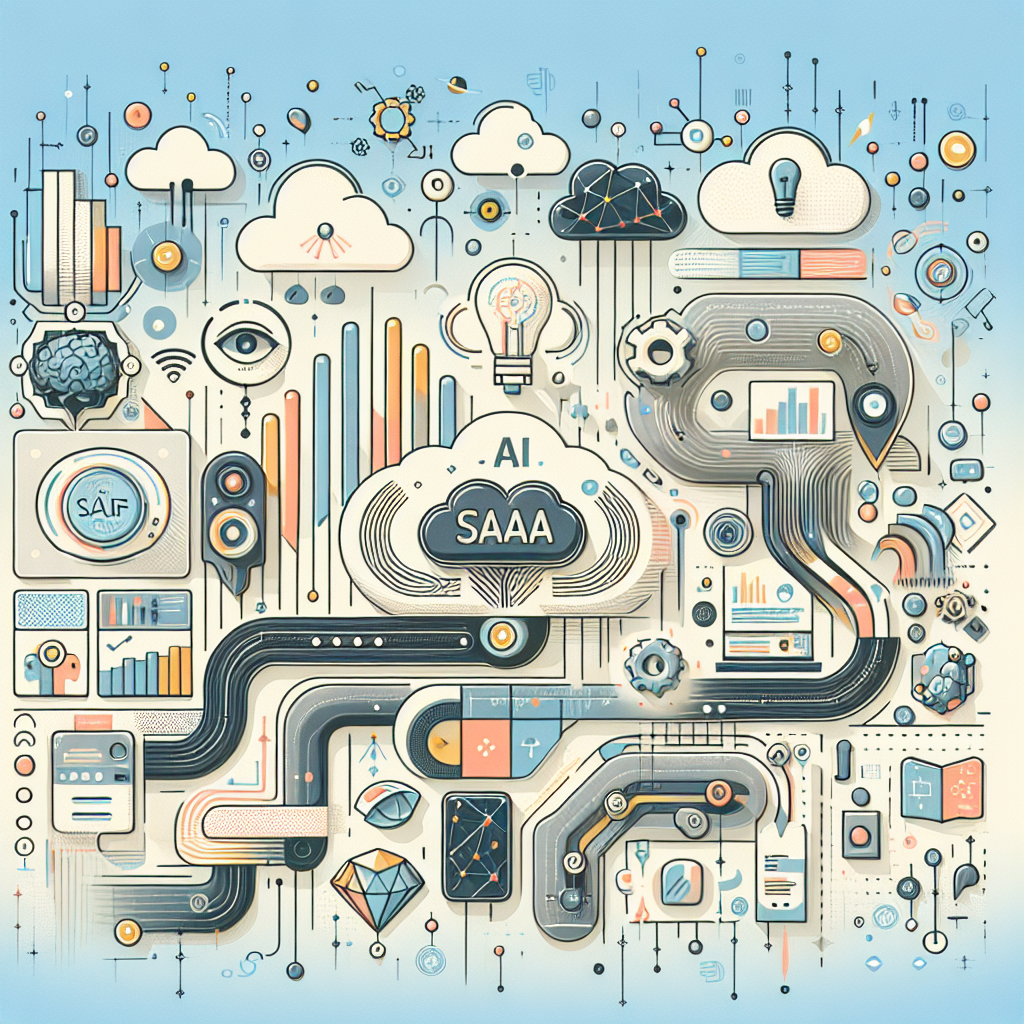
As the digital landscape evolves, Software as a Service (SaaS) continues to shape how businesses operate. The advent of artificial intelligence (AI) is ushering in a new era for SaaS, transforming traditional models into more intelligent, responsive, and adaptable solutions. This blog post explores the intersection of SaaS and AI, examining how businesses can harness these innovations to stay ahead of the curve.
Understanding the Impact of AI on SaaS
AI isn’t just a buzzword; it’s a game-changer for the SaaS industry. According to a report by Gartner, by 2025, 75% of all business applications will include AI capabilities. This integration allows software to analyze vast amounts of data, automate repetitive tasks, and provide insights that were previously unattainable.
For instance, companies like Salesforce have integrated AI into their customer relationship management (CRM) systems through its Einstein platform, enabling predictive analytics that help businesses anticipate customer needs and enhance engagement. As AI becomes more sophisticated, we can expect similar advancements across various sectors, including finance, healthcare, and project management.
Key Innovations Shaping the Future of SaaS
1. Personalized User Experiences
One of the most significant advantages of AI in SaaS is the ability to create personalized experiences for users. By leveraging machine learning algorithms, SaaS applications can analyze user behavior and preferences, tailoring functionalities and interfaces to individual needs. This not only enhances user satisfaction but also drives higher engagement and retention rates.
For example, platforms like HubSpot utilize AI to analyze customer interactions and provide personalized content recommendations, thereby increasing conversion rates. As the demand for tailored experiences grows, SaaS providers must prioritize AI-driven personalization to remain competitive.
2. Enhanced Decision Making with Predictive Analytics
AI-powered predictive analytics is revolutionizing decision-making processes across industries. SaaS platforms equipped with these capabilities can analyze historical data and identify trends, allowing businesses to make informed decisions quickly. This is particularly beneficial in sectors such as marketing, where understanding customer behavior is crucial for campaign success.
Consider the case of Adobe Analytics, which uses AI to deliver actionable insights in real-time, enabling marketers to adjust campaigns on the fly. As predictive analytics becomes more accessible, businesses that adopt these tools will be better positioned to anticipate market changes and customer needs.
3. Automating Routine Tasks
AI is also streamlining operations by automating routine tasks. From customer support chatbots to automated reporting systems, AI is reducing the burden on human resources, allowing teams to focus on more strategic initiatives. According to McKinsey, businesses that implement AI-driven automation can improve productivity by up to 40%.
For instance, Zendesk has integrated AI into its customer support platform, enabling businesses to automate responses to common inquiries. This not only enhances efficiency but also improves response times, resulting in a better customer experience. As automation technology matures, we can expect even more robust solutions that further simplify business processes.
Challenges and Considerations for AI-Driven SaaS
While the benefits of AI in SaaS are substantial, there are challenges that businesses must navigate. Concerns about data privacy and security are paramount, especially as SaaS applications collect and analyze vast amounts of personal information. Companies must ensure they comply with regulations like GDPR and CCPA while maintaining user trust.
Moreover, the integration of AI requires a cultural shift within organizations. Teams must be open to adopting new technologies and adapting their workflows. It’s essential to provide training and support to employees to maximize the potential of these innovations.
Future Trends in AI-Driven SaaS
The future of SaaS is undoubtedly intertwined with AI advancements. As we look ahead, several trends are likely to emerge:
- AI Ethics and Governance: As AI technology becomes more prevalent, ethical considerations regarding its use will take center stage. SaaS companies will need to establish governance frameworks to ensure responsible AI usage.
- Integration with IoT: The convergence of AI and the Internet of Things (IoT) will create new opportunities for SaaS applications, enabling smarter solutions that can respond to real-time data from connected devices.
- Greater Collaboration Tools: With the rise of remote work, SaaS platforms will increasingly incorporate AI-driven collaboration features that enhance teamwork and productivity.
Conclusion: Embracing the Future of SaaS
The future of SaaS is bright, driven by the promise of AI innovations that enhance user experiences, streamline operations, and empower businesses with data-driven insights. To stay ahead in this dynamic landscape, organizations must embrace these changes and invest in AI capabilities that align with their strategic goals.
As you navigate the next wave of AI-driven innovations, consider the following actionable takeaways:
- Stay informed about AI advancements relevant to your industry.
- Invest in training for your teams to adapt to new AI tools and technologies.
- Prioritize data privacy and ethical considerations in your AI strategies.
- Explore partnerships with AI-focused SaaS providers to enhance your offerings.
By taking these steps, businesses can not only adapt to the changing landscape but also thrive in the era of AI-driven SaaS.