The Next Wave of SaaS Leveraging Emotional Intelligence and Predictive Analytics to Anticipate Customer Needs in 2026
As we approach 2026, the landscape of Software as a Service (SaaS) is evolving at an unprecedented pace. With technology constantly advancing, businesses now have access to tools that can do more than just streamline operations and improve efficiency. The next wave of SaaS solutions will focus on leveraging emotional intelligence and predictive analytics to anticipate customer needs in real-time, creating a more personalized and engaging user experience. This blog post will explore how these two powerful concepts are set to shape the future of SaaS and how businesses can prepare to ride this wave.
Understanding Emotional Intelligence in SaaS
Emotional intelligence (EI) refers to the ability to recognize, understand, and manage our own emotions, as well as the emotions of others. In the context of SaaS, EI can be integrated into customer relationship management (CRM) systems, chatbots, and other customer-facing tools to enhance interactions and build stronger relationships.
The Role of Emotional Intelligence in Customer Interactions
Consider this: according to a study by TalentSmart, emotional intelligence accounts for 58% of job performance across various industries. In SaaS, incorporating EI can lead to better customer support and engagement. For instance, AI-driven chatbots that can detect customer emotions through text analysis can provide more empathetic responses, resolving issues faster and improving customer satisfaction.
Imagine a scenario where a customer is frustrated with a service outage. A traditional chatbot would provide a scripted response, but an emotionally intelligent system could recognize the customer’s frustration through sentiment analysis and respond with empathy, offering not just solutions but also understanding. This human-like interaction can significantly enhance customer loyalty.
Predictive Analytics: The Crystal Ball of Customer Needs
Predictive analytics uses historical data, statistical algorithms, and machine learning techniques to identify the likelihood of future outcomes based on past events. In SaaS, this means the ability to anticipate customer needs before they even articulate them. According to a report by MarketsandMarkets, the predictive analytics market is expected to grow from $10.95 billion in 2020 to $22.1 billion by 2026, indicating a strong demand for these capabilities.
How Predictive Analytics Enhances Customer Experience
By analyzing customer behavior and preferences, SaaS companies can tailor their offerings and communications. For example, an e-commerce SaaS platform could use predictive analytics to identify when a customer is likely to repurchase a product or when they may be at risk of churning. With this information, businesses can proactively engage with customers, offering timely promotions or support that meets their needs.
One real-world example is Netflix, which uses predictive analytics to recommend shows and movies based on users' viewing history and preferences. This not only enhances user satisfaction but also keeps customers engaged, reducing churn rates. SaaS companies can adopt similar strategies to ensure they remain relevant to their users.
The Synergy of Emotional Intelligence and Predictive Analytics
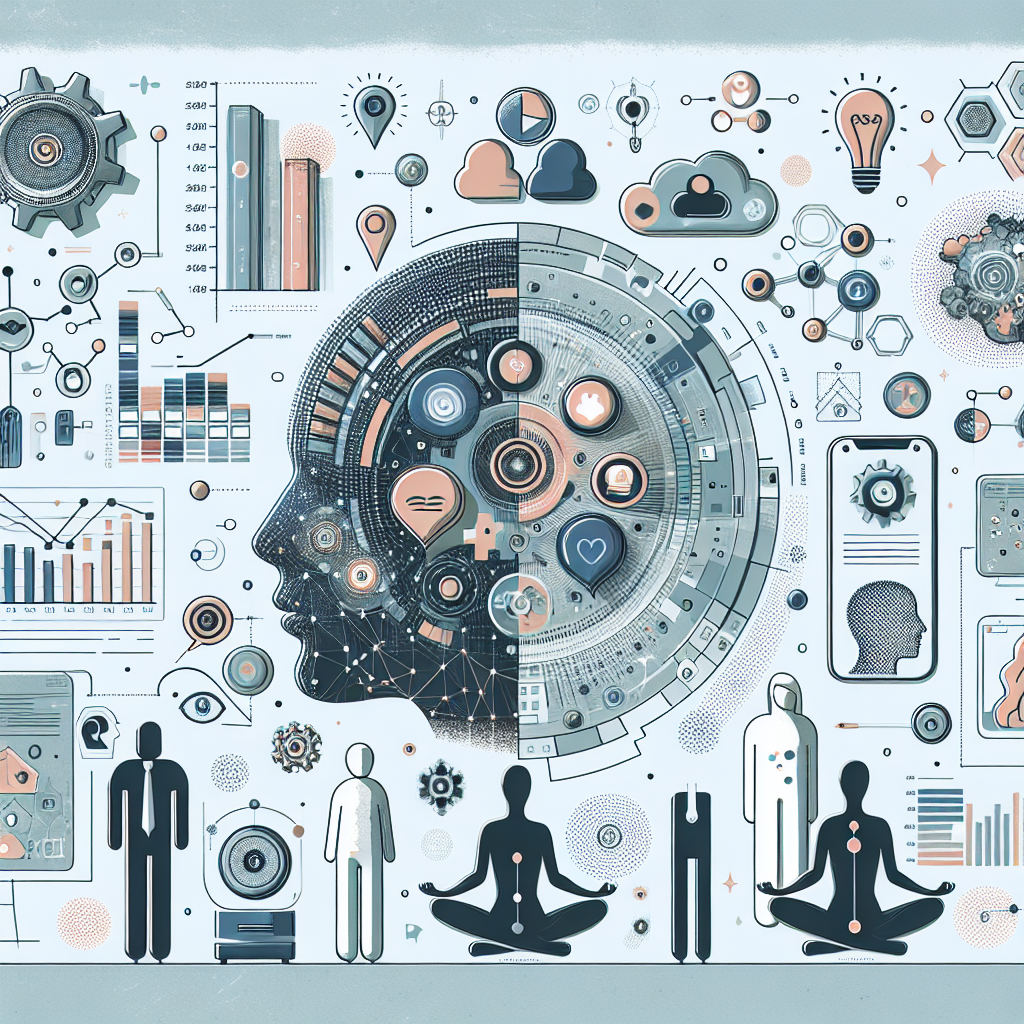
While emotional intelligence and predictive analytics may seem like separate domains, their integration can create a powerful synergy that revolutionizes customer interactions. By combining these two capabilities, businesses can develop a more holistic understanding of their customers.
Creating Personalized Experiences
When predictive analytics identifies a customer's needs, emotional intelligence can help tailor the delivery of that information. For instance, if analytics show that a customer often purchases health-related products, a SaaS company could send personalized recommendations during a health awareness month. If a customer shows hesitation, the emotionally intelligent system could follow up with a supportive message, offering assistance or additional resources.
This level of personalization fosters a deeper connection between the customer and the brand, creating a loyal customer base that feels valued and understood. As per a Salesforce report, 70% of customers say connected processes are very important to winning their business. The combination of EI and predictive analytics can significantly enhance these connected processes.
Preparing for the Future: Actionable Steps for Businesses
As we look toward 2026, it’s crucial for SaaS companies to prepare for this shift. Here are some actionable steps businesses can take:
- Invest in AI and Machine Learning: Leverage advanced technologies that can analyze customer data and provide insights into behaviors and preferences.
- Develop Emotional Intelligence Capabilities: Train teams and incorporate tools that enhance emotional intelligence in customer interactions.
- Focus on Data Privacy: With great insights come great responsibilities. Ensure that customer data is handled ethically and transparently to build trust.
- Continuously Monitor and Adapt: The landscape is always changing. Regularly assess your strategies and technologies to stay ahead of customer expectations.
Conclusion: Embracing the Future of SaaS
The next wave of SaaS will be defined by its ability to leverage emotional intelligence and predictive analytics to create a more personalized and responsive customer experience. By embracing these technologies, businesses can not only meet the evolving needs of their customers but also build lasting relationships that drive loyalty and growth.
As we move toward 2026, the question is not whether your SaaS solution can be enhanced by these concepts, but how quickly can you integrate them into your strategy? The future is bright for those willing to invest in understanding their customers on a deeper level.