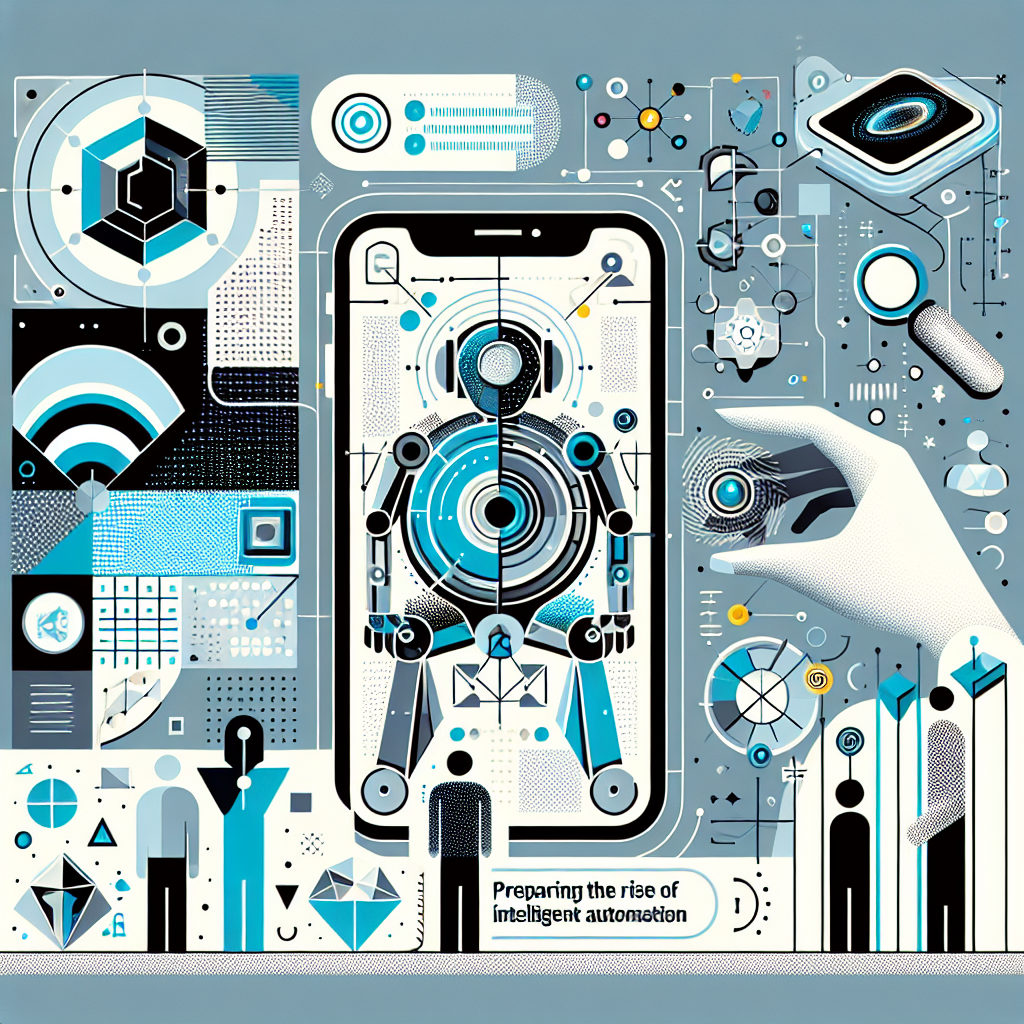
The Rise of Intelligent Automation: Preparing for a New Era in Mobile Development and Consumer Engagement
As we stand on the brink of a technological renaissance, intelligent automation is emerging as a game-changer in mobile development and consumer engagement. The convergence of artificial intelligence (AI), machine learning, and automation technologies is not just reshaping how businesses operate; it's redefining the entire consumer experience. In this blog post, we will explore the rise of intelligent automation, its implications for mobile development, and how businesses can prepare for a new era of consumer engagement.
Understanding Intelligent Automation
Intelligent automation refers to the use of advanced technologies, such as AI and machine learning, to automate complex business processes and enhance decision-making. Unlike traditional automation, which merely replicates manual tasks, intelligent automation learns from data, adapts to changes, and continuously improves over time. According to a report from Deloitte, 67% of businesses are already using intelligent automation in some capacity, highlighting its rapid adoption across industries.
Key Components of Intelligent Automation
To fully grasp the impact of intelligent automation, it’s essential to understand its core components:
- Artificial Intelligence: The brain of intelligent automation, AI enables systems to interpret data, recognize patterns, and make informed decisions.
- Machine Learning: This subset of AI allows systems to learn from experience, improving their performance without explicit programming.
- Robotic Process Automation (RPA): RPA automates repetitive tasks, freeing up human resources for more strategic initiatives.
These technologies work together to create a seamless, efficient operation that can respond to consumer needs in real-time.
The Impact on Mobile Development
Mobile development is at the forefront of this transformation. With the growing reliance on mobile devices for daily tasks, businesses must leverage intelligent automation to enhance their applications. Here’s how:
1. Personalization at Scale
Consumers today expect personalized experiences. Intelligent automation can analyze user behavior and preferences, enabling developers to create tailored applications that resonate with individual users. For instance, Netflix uses machine learning algorithms to recommend content based on viewing history, resulting in increased user engagement and satisfaction. According to McKinsey, personalization can deliver five to eight times the ROI on marketing spend.
2. Enhanced User Interfaces
Intelligent automation can optimize user interfaces by analyzing user interactions and providing feedback for continuous improvement. This means that applications can evolve based on real-time user data, ensuring a more intuitive experience. For example, chatbots powered by AI can provide instant responses to user inquiries, significantly improving customer support processes.
3. Streamlined Development Processes
With intelligent automation, mobile developers can automate repetitive coding tasks, perform automated testing, and even deploy applications faster. Tools like GitHub Copilot and other AI-driven coding assistants are revolutionizing how developers approach their work, allowing them to focus on creativity and innovation rather than mundane tasks. This not only accelerates development cycles but also enhances product quality.
Transforming Consumer Engagement
As businesses integrate intelligent automation into their mobile applications, the way they engage with consumers is also evolving. Here are some notable trends:
1. Proactive Customer Service
Traditional customer service often reacts to issues after they arise. However, intelligent automation enables businesses to anticipate consumer needs. For instance, AI can analyze customer data to predict when a user might need support, allowing businesses to reach out proactively. This shift from reactive to proactive service can lead to improved customer satisfaction and loyalty.
2. Data-Driven Decision Making
With intelligent automation, businesses can harness the power of big data to make informed decisions. By analyzing vast amounts of consumer data, companies can identify trends, preferences, and potential pain points, enabling them to tailor their products and marketing strategies effectively. A study by PwC found that companies leveraging data-driven strategies are six times more likely to be profitable year-over-year.
3. Omnichannel Experiences
Consumers now interact with brands across multiple platforms, and intelligent automation can help create a cohesive omnichannel experience. By integrating data from various touchpoints, businesses can ensure that customers receive a consistent message and experience, regardless of the channel. This level of integration fosters trust and loyalty among consumers.
Preparing for the Future
As intelligent automation continues to reshape the landscape of mobile development and consumer engagement, businesses must adapt to stay competitive. Here are some actionable tips for preparing for this new era:
- Invest in Training: Equip your team with the skills needed to leverage intelligent automation tools effectively. Continuous learning is key in this rapidly evolving field.
- Embrace a Data-Driven Culture: Foster a culture that values data-driven decision-making. Encourage teams to utilize analytics to enhance their strategies.
- Focus on User Experience: Always prioritize the user experience in your mobile applications. Use intelligent automation to gather feedback and make iterative improvements.
Conclusion
The rise of intelligent automation is ushering in a new era of mobile development and consumer engagement. By understanding and leveraging these advanced technologies, businesses can create personalized, efficient, and engaging experiences for their customers. As we move forward, it is crucial to embrace the changes that intelligent automation brings and adapt our strategies accordingly. The future is here, and it’s time to seize the opportunities it presents.