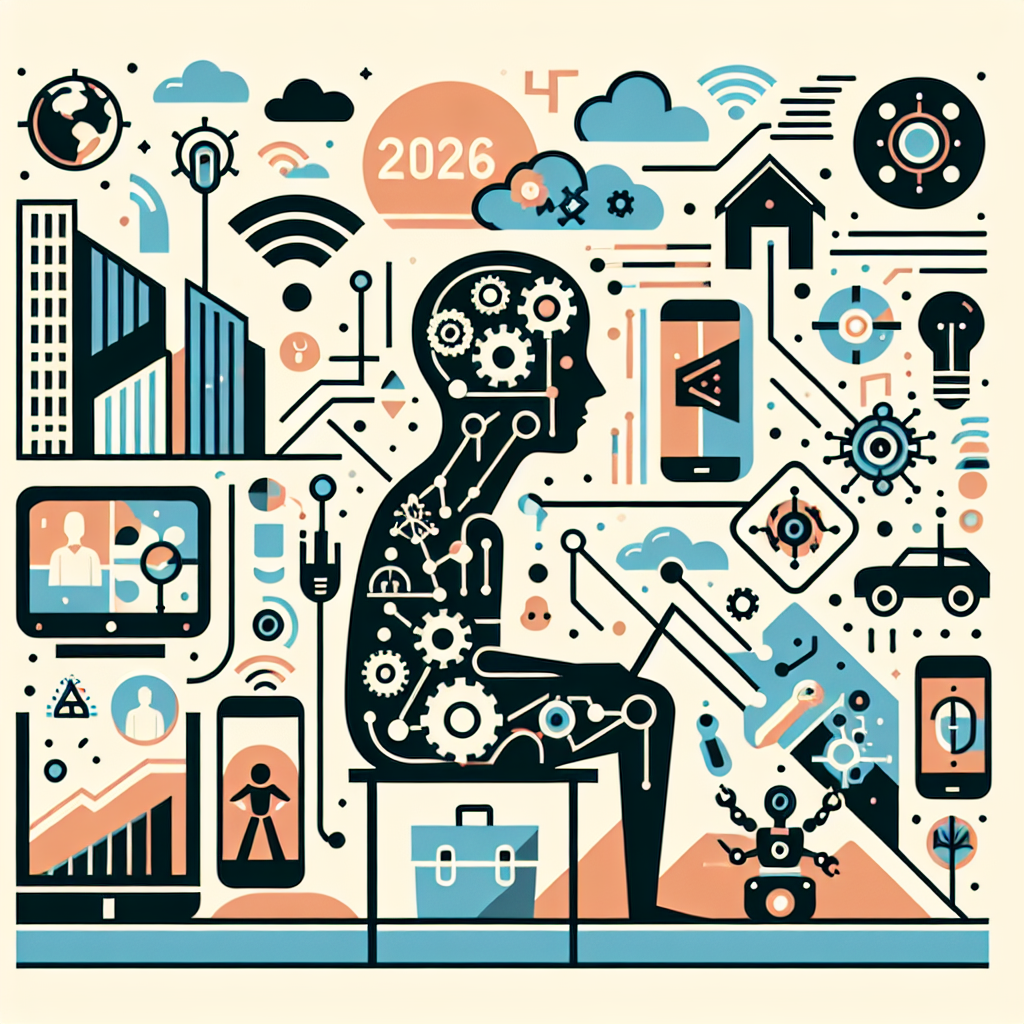
Beyond Boundaries: How AI and Automation Will Reshape Remote Work Culture by 2026
The past few years have seen a dramatic shift in the way we work, with remote work becoming a staple rather than an exception. As we approach 2026, the convergence of artificial intelligence (AI) and automation is set to redefine this landscape even further. The integration of these technologies promises to not only enhance productivity but also foster a new work culture that transcends geographical boundaries. In this blog post, we'll explore how AI and automation are poised to reshape remote work culture, the benefits and challenges that come with these changes, and actionable insights to prepare for the future.
The Rise of AI and Automation in Remote Work
Understanding the Current Landscape
According to a 2022 report from McKinsey, over 60% of occupations have at least one-third of their activities that could be automated by existing technologies. This statistic highlights a profound shift in how tasks are performed and suggests that a significant portion of the workforce could be freed up for more creative and strategic roles. Remote work, which gained traction during the COVID-19 pandemic, has been heavily influenced by these technological advancements. In 2023, the global remote workforce is estimated to be around 30%, and this number is expected to grow as companies recognize the benefits of flexible work arrangements.
Key Technologies Driving Change
AI and automation are not just buzzwords; they are powerful tools that can enhance remote work in various ways. From AI-powered project management tools that help teams collaborate seamlessly, to automated reporting systems that generate insights without human intervention, the potential is vast. For instance, platforms like Asana and Trello are integrating AI features that predict project delays and suggest resource allocation, making remote collaboration more efficient than ever.
The Impact on Work Culture
Fostering Inclusivity and Diversity
One of the most significant advantages of a remote work culture enhanced by AI is the potential for increased inclusivity. With AI-driven recruitment tools, companies can eliminate unconscious bias from the hiring process, enabling them to build diverse teams regardless of geographical location. This inclusivity can lead to a wealth of ideas and perspectives, ultimately driving innovation. According to a report from Deloitte, diverse teams are 1.8 times more likely to be change agents and 1.7 times more likely to be innovative.
Redefining Work-Life Balance
The integration of AI and automation can also redefine work-life balance. Automation takes over repetitive tasks, allowing employees to focus on high-impact work. This shift can lead to more flexible schedules, as teams can rely on automated systems to manage routine functions. For example, chatbots can handle customer inquiries after hours, giving employees the freedom to disconnect without compromising service quality. A survey by Buffer in 2023 found that 32% of remote workers cite work-life balance as their primary reason for preferring this arrangement, a trend that will likely continue as automation takes hold.
Challenges and Considerations
Employment Displacement
Despite the numerous benefits, the rise of AI and automation also brings challenges, particularly regarding employment displacement. A report from the World Economic Forum suggests that while 85 million jobs may be displaced by 2025, 97 million new roles could emerge that are more suited to the evolving workplace. This transition phase poses a significant risk for workers unprepared for the shift. Upskilling and reskilling initiatives will be essential to ensure that employees can thrive in this new environment.
Maintaining Human Connection
As remote work becomes more prevalent, companies must be vigilant about maintaining the human connection that can sometimes get lost in a digital-first world. Tools like virtual reality (VR) and augmented reality (AR) are emerging as solutions to create more immersive meeting experiences. However, companies will also need to foster a culture that prioritizes communication, collaboration, and community, ensuring that employees feel connected to one another, despite the distance.
Preparing for the Future of Remote Work
As we move towards 2026, organizations need to adopt a proactive approach to leverage AI and automation effectively while mitigating associated risks. Here are some actionable takeaways:
- Invest in Training: Companies should prioritize upskilling their workforce in AI and automation tools to ensure that employees can adapt to new technologies and roles.
- Embrace Flexibility: Foster a culture that allows for flexible schedules and remote work arrangements, empowering employees to maintain a healthy work-life balance.
- Focus on Inclusivity: Implement AI-driven recruitment tools to build diverse teams and promote an inclusive work culture.
- Encourage Connection: Use innovative technologies like VR and AR to enhance team interactions and maintain a strong sense of community among remote workers.
Conclusion
The future of remote work is being reshaped by AI and automation, presenting both exciting opportunities and significant challenges. By understanding these dynamics and proactively preparing for change, organizations can create a work culture that not only thrives in a digital landscape but also fosters inclusivity, balance, and connection. As we look ahead to 2026, embracing these technologies will be key to unlocking the full potential of remote work, paving the way for a more productive and engaged workforce.