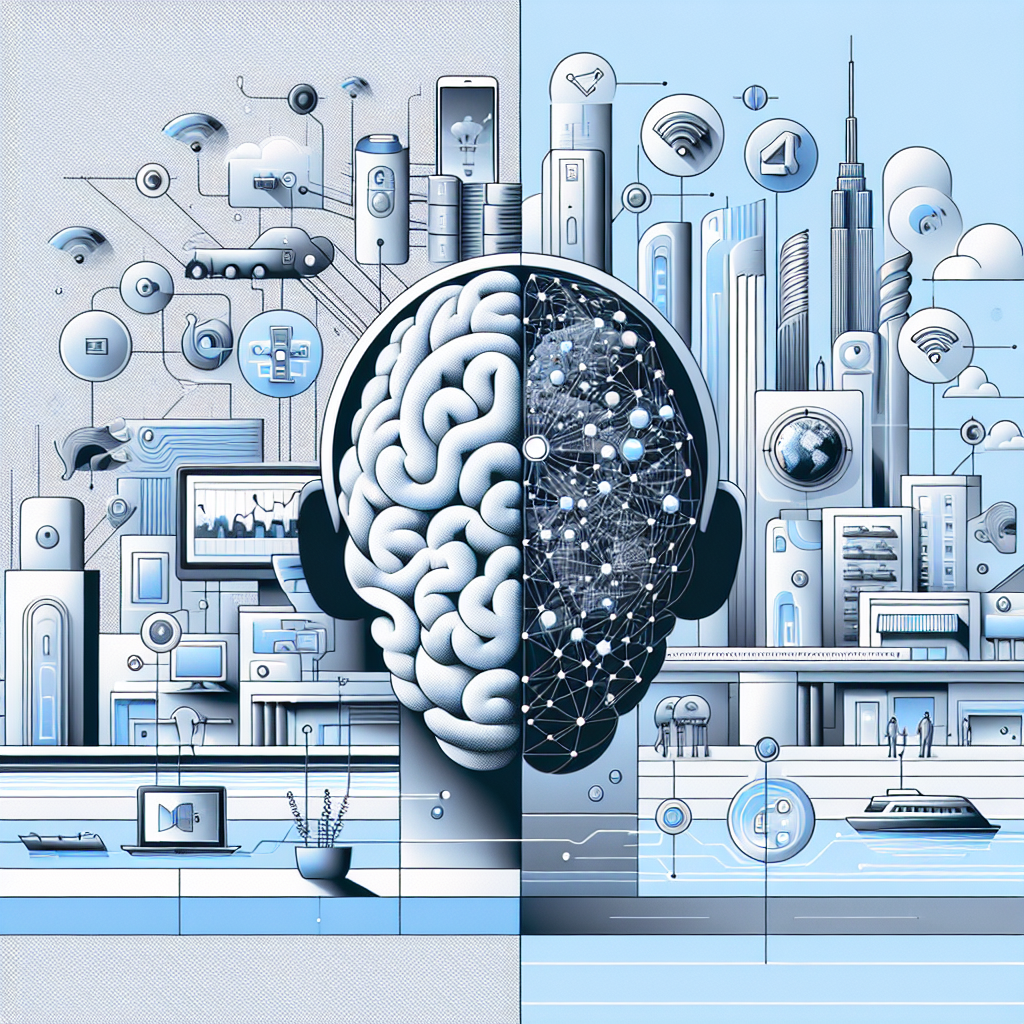
The Future of Mobile Development: Navigating Consumer Psychology and the Rise of Autonomous Application Experiences
As we step further into the digital age, the landscape of mobile development is undergoing a profound transformation. With the rapid advancement of technology, consumer expectations are evolving at an unprecedented rate. In this blog post, we will explore how understanding consumer psychology can shape mobile app development and how autonomous application experiences are set to redefine user interactions. By the end, you’ll have actionable insights on navigating these changes effectively.
Understanding Consumer Psychology in Mobile Development
Consumer psychology plays a pivotal role in shaping mobile applications. Understanding how users think, feel, and behave can significantly influence app design and functionality. Research indicates that users are more likely to engage with apps that provide personalized experiences. According to a report by McKinsey, companies that excel in personalization can generate up to 40% more revenue than those that don’t. This demonstrates the importance of tapping into users' preferences and habits.
The Role of Emotion in App Engagement
Emotions greatly affect consumer decisions. Apps that evoke positive emotions—like joy, surprise, or even nostalgia—tend to have higher engagement rates. For instance, gaming apps often capitalize on this by incorporating elements that trigger excitement and competition. Developers should consider using gamification techniques to boost user engagement, such as reward systems and progress tracking. A survey by Gallup found that customers who are emotionally connected to a brand have a 306% higher lifetime value. This is a clear signal that tapping into emotions can lead to long-term loyalty.
The Rise of Autonomous Application Experiences
As artificial intelligence (AI) continues to evolve, the concept of autonomous application experiences has gained traction. Autonomous apps are designed to operate with minimal user intervention, adapting dynamically to user behavior and preferences. This shift not only enhances user convenience but also streamlines the overall experience.
How AI is Shaping Autonomous Experiences
AI technologies, such as machine learning and natural language processing, are at the forefront of creating these autonomous experiences. For instance, virtual assistants like Siri and Google Assistant have set the standard for how users interact with their devices. A report from Gartner predicts that by 2025, 75% of all mobile apps will incorporate AI capabilities. This integration allows apps to learn from user interactions, predict needs, and provide suggestions, creating a seamless experience.
Designing for the Future: Key Considerations
As mobile developers embrace these trends, several key considerations should be kept in mind to ensure success in an increasingly competitive market:
1. Prioritize User-Centric Design
User-centric design is essential for creating intuitive interfaces. Conducting user research and usability testing can help identify pain points and preferences. Tools like A/B testing can provide valuable insights into what resonates best with your audience, allowing you to refine your design iteratively.
2. Leverage Data Analytics
Data analytics plays a crucial role in understanding user behavior. By analyzing app usage patterns, developers can identify which features are most popular and which ones may need improvement. Tools like Google Analytics and Mixpanel can offer real-time insights into user interactions, guiding future development decisions.
3. Embrace Continuous Learning and Adaptation
The tech landscape is ever-changing, and so are consumer expectations. Staying informed about the latest trends and technologies will enable developers to adapt their strategies accordingly. Participating in workshops, webinars, and industry conferences can provide valuable knowledge and networking opportunities.
Conclusion: Embracing Change for Future Success
The future of mobile development is undeniably exciting, filled with opportunities for innovation and enhanced user engagement. By understanding consumer psychology and integrating autonomous application experiences, developers can create apps that not only meet user needs but exceed their expectations. To thrive in this dynamic environment, prioritize user-centric design, leverage data analytics, and embrace continuous learning. As you navigate this evolving landscape, remember that the key to success lies in understanding your users and adapting to their ever-changing needs.
Start implementing these strategies today, and prepare your mobile applications for the future. The potential is immense—are you ready to seize it?